Executive Programme in

Clinical Drug
Development

Get High Paying Non-Clinical Job opportunities for MBBS, BDS, Pharm.D & PhD in Healthcare and Life Sciences.

Get Enrolled in Our Super 30 Batch ★ Scholarship Available
Package
32
LPA
Package
21
LPA
Package
17
LPA
Package
13
LPA
Talk to our experts now
I hereby accept the Terms of Service and Privacy Policy
Scholarship Available

Why Choose Clinical Drug Development as a Career?

India is home to 50,000+ pharmaceutical companies and CROs and every one of them needs doctors, dentists, pharmacists, and scientific graduates to turn complex medical evidence into real-world healthcare impact. The demand is already here, the only question is whether you're ready for it.

Success Stories That Speak for Themselves

90+
Successfull Placements

Top Industry Recruiters

Step into one of the most strategic, fastest-growing functions in the pharmaceutical industry.

Meet Our Founder

Dr. Akram Ahmad
Founder And CEO Academically Global

Dr. Akram Ahmad

Dr. Akram Ahmad, PhD from University of Sydney, with 20+ years of healthcare and academic experience across India, Malaysia, and Australia. Supported by global Clinical Drug Development experts from pharma, academia, medical, and consulting sectors.

110+
Peer Reviewed Publications
2%
Researchers In The World
1M+
Strong Community Of Healthcare Learners

Six Reasons Smart Healthcare Professionals Choose Clinical Drug Development

...

High Salary

Entry-level Clinical Drug Development roles in India pay ₹6–12 LPA. Mid-level expertise earns ₹12–30 LPA. Senior Clinical Drug Development professionals and Medical Directors regularly cross ₹30 LPA.

...

Patient Impact Without Burnout

Serve patients by ensuring the right medicines reach the right doctors. No Night Duties and better Work-Life Balance.

...

Global Career Mobility

Clinical Drug Development roles exist in every country where Pharmas , CROs and Medtech operate. Once certified, professionals move comfortably between India, the Gulf, Australia, Europe, and the US.

...

Deep Scientific Engagement

Stay current with the latest clinical trials and therapeutic advances. Your mind stays sharp and you matter in conversations that shape medical practice.

...

High-Value Networking

Your network becomes some of the most influential specialists, Key Opinion Leaders (KOLs), and researchers in your therapeutic area. These relationships open doors throughout your career.

...

Clear Career Progress

Drug Safety Associates → Senior Drug Safety Associates → Pharmacovigilance Manager → Pharmacovigilance Director. The pathway is structured and rewarding at every stage.

Earning Potential: What CDD Professionals Earn In India

ENTRY LEVEL (0–3 YEARS)

₹6–12 LPA

MID-LEVEL (3–7 YEARS)

₹12–30 LPA

SENIOR/LEADERSHIP

₹30 LPA+

TRAINING ROI

6–12 Months

✦ Your Future Awaits

Post Course Career Opportunities

Clinical Trial Physicians
Drug Safety Physicians
Medical Monitor
Medical Writer
Medical Reviewer (CRA)
CRC/CRA
PV / Drug Safety Associates
Regulatory Affairs Associates
Clinical Data Associates

Career Progress Path

Career Progress Path — Entry Level, Mid Level, Leadership

Entry Level

MSL
Medical Information Associate
Medical Writer

Mid Level

Senior MSL
Medical Advisor
Medical Manager

Leadership

Head of Clinical Drug Development
Medical Director
VP Clinical Drug Development

Who Should Enroll ?

This Programme is built for healthcare and life sciences graduates who want a high-impact career in the pharmaceutical industry and are exploring non clinical jobs for Doctors.

MBBS, MD/MS

Clinical Experts

BDS, MDS

Clinical Doctors

B.Pharm / M.Pharm / Pharm.D

Pharmacy Expert

Ayush Doctors & Nursing Graduates

Life Sciences & Biotechnology graduates

Healthcare professionals

Built for Outcomes, Not Just Certificates

Every module, project, and mentorship session has one goal: to make you industry-ready.
So that you can get a high-paying job in Clinical Drug Development.

Step 01
Super 30 Eligibility Test and Interview

A fully online assessment designed for clinicians, pharmacists, researchers, and life science professionals at different career stages. This step helps identify motivated candidates who are serious about building a career in Clinical Drug Development, Clinical Research, Pharmacovigilance, and other high-growth healthcare domains.

Step 02
Job-Ready Practical Course Work

Once selected, learners go through intensive practical curriculum that covers Clinical Drug Development fundamentals, KOL management, clinical trials, publication strategy, scientific communication, and capstone-based learning. Instead of focusing only on theory, the program prepares learners with real-world skills that are required in corporate healthcare and pharmaceutical roles.

Step 03
Real-Life Capstone Project / Internship

From the beginning, learners are paired with a mentor, under whose supervision, the learners work on practical deliverables such as a KOL engagement plan, publication strategy, clinical insights report, or similar industry-relevant assignments. These projects help learners build a strong professional portfolio and demonstrate their readiness for non-clinical corporate roles.

Step 04
Job-Assistance And Placement Support

The program also supports learners beyond classroom training through structured job assistance and placement support. Graduates gain access to Jobslly.in, mentorship from experienced professionals, guidance from senior Clinical Drug Development experts, peer collaboration, resume support, interview preparation, and relevant job opportunities. The goal is to help learners confidently transition into global healthcare, pharma, and life sciences careers.

Swipe to explore your journey

01
Step One
Your Journey Starts
Super 30 Eligibility Test and Interview

A fully online assessment designed for clinicians, pharmacists, researchers, and life science professionals at different career stages. This step helps identify motivated candidates who are serious about building a career in Clinical Drug Development, Clinical Research, Pharmacovigilance, and other high-growth healthcare domains.

02
Step Two
Deep-Dive Learning
Job- Ready Practical Course Work

Once selected, learners go through intensive practical curriculum that covers Clinical Drug Development fundamentals, KOL management, clinical trials, publication strategy, scientific communication, and capstone-based learning. Instead of focusing only on theory, the program prepares learners with real-world skills that are required in corporate healthcare and pharmaceutical roles.

03
Step Three
Build & Prove Skills
Real-Life Capstone Project / Internship

From the beginning, learners are paired with a mentor, under whose supervision, the learners work on practical deliverables such as a KOL engagement plan, publication strategy, clinical insights report, or similar industry-relevant assignments. These projects help learners build a strong professional portfolio and demonstrate their readiness for non-clinical corporate roles.

04
Step Four
Land Your Role
Job-Assistance and Placement Support.

The program also supports learners beyond classroom training through structured job assistance and placement support. Graduates gain access to Jobslly.in, mentorship from experienced professionals, guidance from senior CDD, peer collaboration, resume support, interview preparation, and relevant job opportunities. The goal is to help learners confidently transition into global healthcare, pharma, and life sciences careers.

Comprehensive 12-Module Curriculum

Understand how a drug moves from the laboratory to patients. This includes about drug discovery overview, pre-clinical research fundamentals and transition from lab research to human trials

Module 1

Foundations of Drug Development

Understand how a drug moves from the laboratory to patients. This includes about drug discovery overview, pre-clinical research fundamentals and transition from lab research to human trials.

View 11 More Modules
Module 2

Clinical Trial Phases

Deep understanding of human clinical trials. You will understand how trials are designed, executed, monitored, and evaluated.

Module 3

Regulatory Affairs & Global Agencies

Learn how drugs get approved worldwide. Coverage includes regulatory pathways, documentation & compliance, market approval workflows and post-approval monitoring.

Module 4

Pharmacovigilance & Drug Safety

Includes learnings on adverse drug reaction reporting, signal detection & risk management, safety databases & workflows and post-marketing surveillance.

Module 5

Medical Affairs & Industry Communication

Key topics are covered, such as role of Medical Affairs in drug approval, scientific communication, stakeholder engagement and evidence generation & real-world data.

Module 6

Industry Job Readiness Training

You will learn real industry workflows, skills for pharmaceutical roles, interview preparation & job readiness, professional communication & personality development.

Module 7

Clinical Data Management

Module 8

Biostatistics in Clinical Trials

Module 9

Medical Writing & Documentation

Module 10

GCP Guidelines & Ethics

Module 11

Real World Evidence & Post-Market Studies

Module 12

Capstone Project & Final Assessment

Explore Full Curriculum

Build Your Portfolio With Our Capstone Projects

Real-world case studies

Report Writing + Manuscript + Presentation

Clinical trial simulations

Key Opinion Leader Engagement Strategy

Pharmacovigilance workflow exercises

Industry scenario-based assignments

Capstone Projects

Capstone Project

360° Job-Ready Support
Also included in your package
Soft Skills Training

Soft Skills Training

  • Professional Communication
  • Presentation Skills
  • Stakeholder Engagement
  • Networking Strategies
Analytical Tools

Analytical Tools

  • Advanced Excel Training
  • PowerPoint Mastery
  • Data Visualization
  • Data Analysis
Mock Interviews

Mock Interviews

  • 1-On-1 Feedback Sessions
  • CV & LinkedIn Building
  • Interview Training
  • SOP and Cover Letter Support
Your Career Proof Starts Here

Get Your Certificate Unlocked

Complete the programme and unlock a professional Clinical Drug Development certificate that strengthens your profile for pharmaceutical and biotech career opportunities.

Certificate

Earn A Recognised Certificate

Receive certification in Clinical Drug Development after successful completion of the programme.

Profile

Showcase Industry Readiness

Use it to demonstrate your readiness for Clinical Drug Development, CDD, and non-clinical pharma roles.

Unlock My Certificate Path

Click to move ahead and start your enrolment journey.

Success Stories

During my internship, I realized that clinical practice was not something I wanted to pursue long-term, but I had no idea how to move into a non-clinical role. Like many doctors, I was confused and unsure if this path would actually work. Academically's Executive Programme in Clinical Drug Development gave me a clear understanding of the industry and helped me learn the practical skills needed for pharmacovigilance. The mentors and team guided me throughout the journey and answered all my doubts. Slowly, I gained the confidence to take a different path, even when people around me were unsure about it. Within a few months, I was able to transition successfully and secure a 17 LPA job in Accenture. Looking back, it was one of the best career decisions I made.

Dr. Pragya Mishra

Clinical Drug Development Professional, Accenture

While most students chose major Chinese cities for MBBS, I spent eight years at Shihezi University in remote Xinjiang, mastering Mandarin, adapting to a new culture, and graduating third in my class with a Certificate of Merit. My experience also inspired me to complete a Diploma in Positive Psychiatry from the University of Sydney, strengthening my understanding of mental wellbeing. After returning to Kolkata, I faced repeated setbacks, failing the FMGE twice and later the AMC exam. Just when I thought my medical career had reached a dead end, a friend encouraged me to connect with Academically. They looked beyond my academic record and identified my communication skills, outgoing nature, and passion for travel as strengths suited for a Medical Science Liaison (MSL) role. The program gave me invaluable exposure to industry leaders, practicing MSLs, and real-world insights that transformed my perspective. Today, as a Postgraduate Certified Medical Science Liaison, I’m grateful that one conversation helped turn disappointment into a new beginning.

Dr. Saif

Assistant Manager of injury claims

After MBBS, I knew I wanted a career that offered good growth and a better work-life balance. I was interested in non-clinical jobs but didn't know where to start or what skills companies were looking for. Academically's Drug Safety Physician course helped me understand the industry in a very practical way and made the transition much easier. What I appreciated the most was the constant support from the mentors and program team. From interview preparation to job applications, I always had someone guiding me. The mock interviews and personalized assistance gave me a lot of confidence. Today, I have successfully started my non-clinical career as a certified Drug Safety Physician and feel much more clear about my future.

Dr. Shruti

Pharmacovigilance Services Specialist

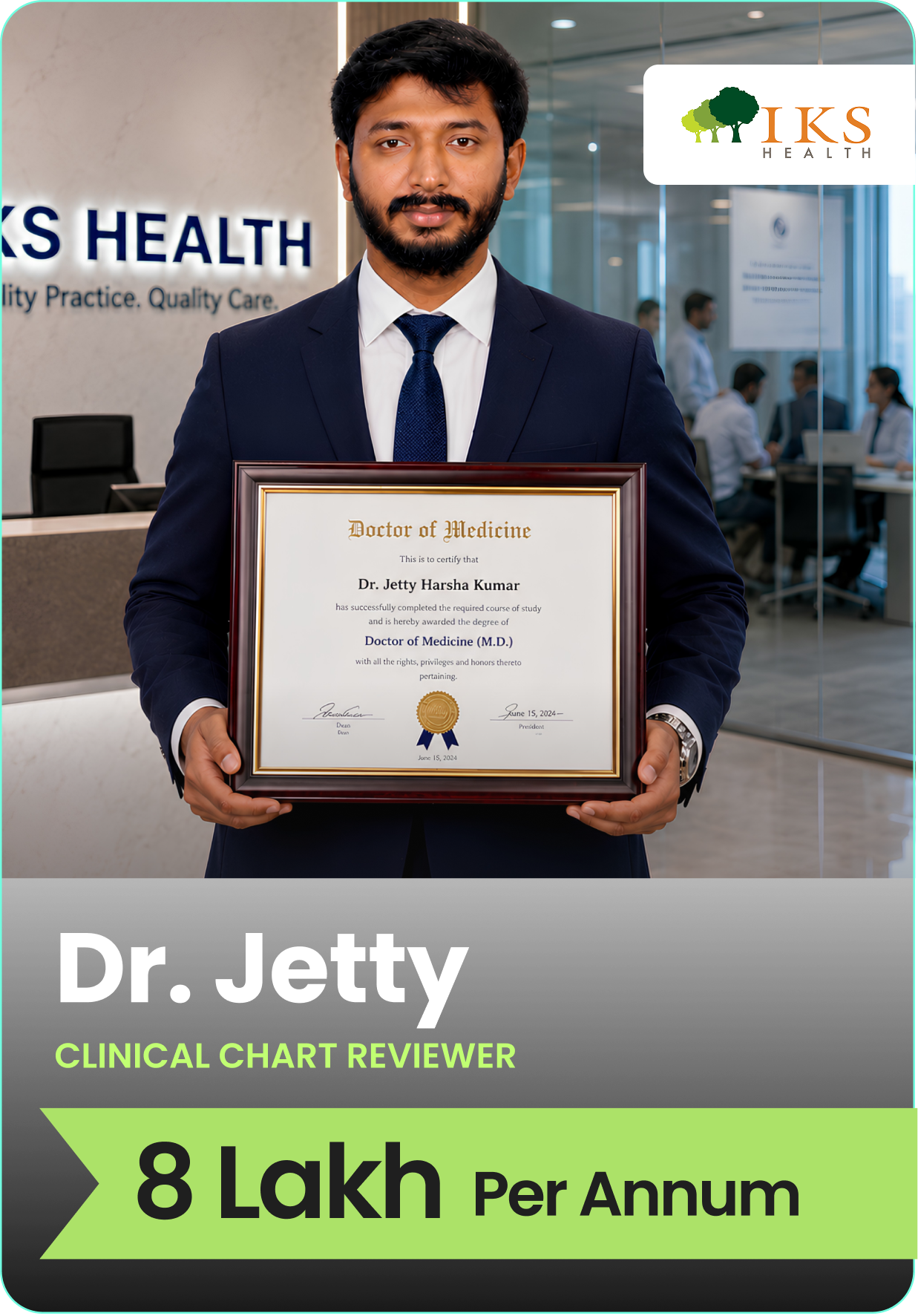
As an MBBS and DNB doctor, I loved medicine — but I was missing out on life. I needed a change, not an exit. Academically Global's programme became the turning point. The structured curriculum, mock interviews, capstone project, and continuous mentor feedback reshaped how I approached my career entirely. I scored above 95% in the Drug Safety Physician course and earned Golden Honours — something I genuinely did not see coming. That guidance led me straight to cracking my final interview at TCS as a Clinical Safety Physician at ₹32 LPA. I did not leave medicine. Academically Global helped me find a way to live alongside it.

Dr. Laxmi

Drug Safety Physicians - Tata Consultancy Services

As a dental graduate seeking more than clinical practice, attending an Academically webinar changed everything. The team understood my goals and guided me into Clinical Drug Development — a field that instantly felt right. Their Executive Program gave me real industry knowledge, hands-on skills, and mentorship that made my transition seamless. Just one week after graduation, I landed a CRO Trainee role at QREC at 5 LPA, then quickly secured a PV QC Associate position at Pristyn Research at 6.5 LPA. Academically didn't just train me — they helped me find exactly where I belong.

Dr. Oshi Goswami

Pristyn Research- 6.5 LPA Offer

Why Healthcare Professionals Struggle To Break Into Clinical Drug Development

You Have The Clinical Expertise.
The Industry Wants More.

Doctors, pharmacists, life science graduates, and researchers spend years learning in depth. The topics mostly include disease management, patient care, pharmacology, therapeutics, and clinical decision-making.

These skills create a strong scientific foundation. Yet when it comes to entering Clinical Drug Development, many highly qualified professionals discover that employers are looking for a completely different set of skills altogether.

The challenge is not a lack of knowledge. It is a lack of industry readiness.

Clinical drug development professionals operate at the intersection of science, regulation, research, and commercial strategy.

The Skills Gap That Keeps Qualified Candidates Out

While traditional healthcare education develops clinical expertise, it rarely provides hands-on exposure to:

  • Clinical trial design and execution
  • Drug development lifecycle and regulatory pathways
  • Clinical research operations
  • Pharmacovigilance and drug safety reporting
  • Medical writing and scientific communication
  • Industry documentation and compliance standards
  • Cross-functional collaboration within pharmaceutical organisations

Why Pursue A Certificate Course In Clinical Drug Development

Academically's Executive Programme in Clinical Drug Development is designed to bridge the gap between academic qualifications and industry expectations.

Participants gain practical exposure to workflows, documentation, terminology, and decision-making processes used across pharmaceutical companies, CROs, biotech organisations, and clinical research teams.

The programme helps learners develop confidence, technical understanding, and job-ready skills for Clinical Drug Development roles.

Build A High Paying Career Beyond Traditional Clinical Pathways

The pharmaceutical industry continues to invest heavily in drug discovery, clinical research, evidence generation, and patient-focused innovation. Many professionals who pursued course with us have secured job in well known companies in less than 30 days.

What Is Clinical Drug Development and Why Does It Matter?

Clinical Drug Development is the process of testing a new medicine, from the lab to patients, to ensure it is safe, effective and properly monitored.

Physicians play a critical role in Clinical Drug Development, contributing their clinical expertise to ensure patient safety, scientific integrity and effective decision-making throughout the drug lifecycle.

🔬
01

Pre-Clinical Testing

  • Discovery and laboratory testing of new drugs
  • Initial safety and biological activity assessment
02
📋

Phase 1

  • First-in-human small group study
  • Focus on safety, dosage and tolerability
⚗️
03

Efficacy & Side Effects

  • Study conducted in 100–300 patients
  • Evaluates effectiveness and monitors side effects
04

Confirmation & Monitoring

  • Large-scale multi-centre trials
  • Compares new treatment with standard therapy
📑
05

Regulatory Review & Approval

  • Submission of clinical data for market authorisation
  • Review of safety, efficacy and quality evidence
06
🛡️

Post-Marketing Surveillance

  • Ongoing safety monitoring after approval
  • Tracks real-world safety in the general population

The Market Gap & Your Career Opportunity

The global pharma industry is projected to reach USD 2,776.74
billion by 2033. In India alone, nearly 2,000 CDDs positions open
annually, with projections exceeding 4,000 by 2030.

"The demand is surging. The supply of trained
professionals is not keeping up. This is the gap you
can step into."

The Industry Challenge

Most graduates run into a major roadblock:
degrees provide the foundation, but not the
practical industry skills.

MISSING SKILLS:

Pharmacovigilance, Data Analysis, clinical data
communication, and industry-standard workflows.

Academically bridges this exact gap.
Frequently Asked Questions

Most people hear "drug development" and picture scientists in lab coats. The reality is far more layered than that.

Clinical Drug Development is the full process of taking a potential new medicine. It already exists first as a hypothesis. Then it exists as a molecule in a lab. You got to rigorously testing it until it either earns regulatory approval or gets ruled out. The process does not end at approval either. Safety monitoring continues long after a drug reaches patients.

The pathway moves through defined stages. Pre-clinical testing comes first. Then Phase 1. It is where a small group of healthy volunteers receive the drug for the first time so researchers can assess safety.

Phase 2 expands the group and starts examining whether the drug actually works. Phase 3 involves thousands of participants across multiple sites. It generates the large-scale data regulators need before they will approve anything. After approval, Phase 4 surveillance tracks real-world safety outcomes indefinitely.

Every stage requires professionals who understand human biology, patient safety and scientific evidence. Clinical reasoning matters enormously here. It is also why healthcare graduates must explore this field.

Honestly, yes and the timing is good.

India has roughly 50,000 pharma companies, MedTech & CROs. They all need trained Clinical Drug Development professionals. Global pharma is heading toward USD 2.78 trillion by 2033. Trained talent has not kept pace with that growth.

Beyond numbers, ask anyone who has made this switch and they will mention the same things first. No night shifts, no emergencies, weekends back, consistent salary growth, and the freedom to eventually work in Hyderabad, Dubai or Melbourne depending on where life goes.

Many healthcare graduates who are feeling burnt out, underpaid or stuck. This is a career worth looking at seriously.

It depends on several things. Your degree, how much experience you bring, which city you are in, the company, and the therapeutic area you work in matters. That said, there are reasonable benchmarks.

Fresh entrants with 0 to 3 years of experience typically earn somewhere between ₹6 and 12 LPA. That range increases at the mid-level. Professionals with 3 to 7 years of experience generally land between ₹12 and 30 LPA. Senior and leadership roles frequently cross ₹30 LPA and even more.

MBBS and MD doctors tend to start higher because of what their clinical background brings to roles like drug safety physician or medical reviewer. BDS, PharmD, AYUSH and life-science graduates often see faster-than-expected salary growth once they are inside the industry and building a track record.

Academically Global graduates have successfully entered the pharmaceutical industry with starting packages of approximately ₹5–6 LPA for freshers from BDS, AYUSH, and Pharmacy backgrounds, while MBBS graduates have secured packages ranging from ₹8–17 LPA. At the other end of the spectrum, experienced doctors transitioning into Drug Safety Physician and Pharmacovigilance roles have secured compensation packages ranging from ₹21–32 LPA

More than most people expect when they first explore this field.

At the entry and mid level, common roles include Drug Safety Associate, Pharmacovigilance Associate, Clinical Research Associate, Clinical Trial Coordinator, Medical Reviewer, Medical Writer, Medical Science Liaison, Medical Information Associate and Regulatory Affairs Associate. The specific role you are best positioned for depends largely on your background and where your strengths lie.

Doctors and dentists tend to gravitate toward and get prioritised for roles that lean on clinical knowledge. Clinical Trial Physician, Medical Monitor, Medical Advisor, Clinical Safety Physician, Medical Reviewer. These positions exist because companies need people who genuinely understand what is happening to patients in a trial, not just people who can manage spreadsheets.

From those starting points, career progress tends to follow a clear path upward. Pharmacovigilance Manager, Senior MSL, Medical Manager, Medical Director, and eventually VP-level positions in Clinical Drug Development or Medical Affairs. These roles exist in pharmaceutical companies, CROs, biotech firms and healthcare knowledge-process organisations. The career has real breadth. People who start in pharmacovigilance sometimes shift into regulatory affairs. MSLs move into medical management. The options expand with experience.

A question worth clarifying because the two terms get used interchangeably, and they should not be.

Clinical Research refers specifically to the human trial work, designing a study, recruiting participants, running the trial, collecting and analysing data, and monitoring safety within that study. It is rigorous, essential work, but it covers one section of a much larger process.

Clinical Drug Development is that larger process. It begins before any human being takes the drug (pre-clinical testing) and continues long after approval (post-marketing surveillance). Clinical Research sits inside Clinical Drug Development, but Clinical Drug Development also includes regulatory affairs, pharmacovigilance, scientific communication, market authorisation strategy and more.

Why does this distinction matter for your career? Because a professional trained in Clinical Drug Development understands the full picture. They know how a drug gets approved, not just how a trial gets run. They understand what happens when a safety signal appears post-launch. They can engage meaningfully with regulatory teams, safety teams and medical affairs teams. That wider knowledge base translates directly into more career options.

The programme is built for healthcare and life-science graduates who want to move their careers out of clinical practice and into the pharmaceutical industry. Eligible backgrounds cover a fairly wide range: MBBS and MD/MS doctors (including Foreign Medical Graduates), BDS and MDS dental graduates, B.Pharm, M.Pharm and Pharm.D pharmacists, AYUSH doctors who have done BAMS, BUMS, BHMS and nursing graduates, and life sciences or biotechnology graduates.

Freshers are welcome. So are working professionals who want to change direction. No prior experience in the pharmaceutical industry is required. The programme is specifically designed to bridge the gap between your existing academic or clinical training and what the industry actually needs, and it does that within four months.

Selection happens through an online eligibility assessment. The "Super 30" batch process is what you'll be a part of. The purpose of this step is not to create artificial barriers. It is to bring together candidates who are genuinely serious about making this transition, rather than those who are only casually curious. A motivated cohort makes for a better learning environment and better outcomes all around.

Yes. Doctors are among the most in-demand candidates in Clinical Drug Development. Pharmaceutical companies are not just looking for people who understand drug mechanisms on paper. They want professionals who have seen patients, who understand clinical decision-making under pressure, who can read a case narrative and identify what actually matters. MBBS and MD graduates bring that instinctively.

Roles that particularly suit doctors include Medical Monitor, Clinical Trial Physician, Medical Advisor, Drug Safety Physician, Clinical Safety Physician and Medical Reviewer. At senior levels, these tracks lead to Medical Director and VP of Medical Affairs positions.

For FMGs, this pathway deserves particular attention. Many FMGs spend years attempting the FMGE. But years that pass without career progress or financial stability. Clinical Drug Development offers something different: a way to build a serious, well-paying career using the medical degree already earned, without the uncertainty of waiting on exam results. The training fills in what medical college never covers pharmacovigilance systems, regulatory frameworks, industry communication standards and the practical skills needed to actually get hired. Multiple FMG graduates from past batches have made this transition, moving into industry roles within weeks to a few months of completing the programme.

Yes, and this is a pathway that more dental graduates should know about.

The biomedical foundation that comes with a BDS degree is stronger than most dentists give themselves credit for. Anatomy, pharmacology, physiology, pathology, this knowledge is directly applicable in pharmaceutical roles, even if no one in dental college ever made that connection explicit. After targeted upskilling, dental graduates typically move into positions like Clinical Research Associate, Drug Safety Associate, Pharmacovigilance Associate, Medical Reviewer, Clinical Trial Coordinator or Medical Writer.

For dentists who feel that private practice offers limited financial upside, or that the day-to-day work has become repetitive without much room to grow, this is a genuine and tested alternative, not a theoretical one. The programme equips dental graduates with the industry-specific skills and frameworks that a BDS degree alone does not cover, then backs that up with job assistance during placement.

A concrete example from past outcomes: one dental graduate completed the programme, secured a CRO Trainee position shortly after, and subsequently moved into a pharmacovigilance quality role. That kind of progression is not an anomaly. Non-clinical careers for dentists in the pharmaceutical sector are real, they are growing, and the opportunity is accessible to people who are willing to put in the work to get there.

Pharmacy graduates are actually better positioned for Clinical Drug Development than many of them realise. The training in pharmacology, pharmacotherapy and drug safety that comes with a B.Pharm, M.Pharm or Pharm.D degree is directly relevant. Multinational pharmaceutical companies and CROs frequently prefer pharmacy graduates for pharmacovigilance, medical information and medical affairs roles. The background fits.

The gap, and it is a real one, is not scientific knowledge. It is industry-specific skills that pharmacy college simply does not teach. Pharmacovigilance workflows, regulatory documentation, clinical trial frameworks, scientific communication, how to actually get hired — none of that features in a standard pharmacy curriculum. The Executive Programme is built specifically to close that gap, doing so over four months through practical modules, a capstone project and mentorship from industry professionals. Job assistance runs through Jobslly alongside interview coaching.

Typical entry roles for pharmacy graduates include Drug Safety Associate, Pharmacovigilance Associate, Medical Information Associate and Medical Writer. Progression from those starting points can be fast once someone is inside the industry and building a track record. For pharmacists who feel the field offers limited scope, this is one of the clearest and most accessible routes into a genuinely high-growth corporate healthcare career.

Yes and this is worth stating clearly, because these groups are often the last to hear about it.

Nursing graduates, AYUSH doctors (BAMS, BUMS, BHMS) and life-science or biotechnology graduates all have scientific and patient-care foundations that translate into pharmaceutical industry roles. Pharmacovigilance Associate, Drug Safety Associate, Clinical Trial Coordinator, Clinical Research Associate, Medical Writer, these are realistic entry points, not aspirational ones.

The problem is not eligibility. It is awareness. Traditional career guidance for these groups rarely mentions non-clinical pharmaceutical careers as a serious option, so many qualified candidates simply do not know the door is open. The programme is designed to be genuinely inclusive of varied healthcare backgrounds. It does not assume prior industry knowledge. It focuses on building practical, job-ready skills from wherever someone is starting. With structured training, a capstone project and placement support, nurses, AYUSH graduates and life-science professionals can enter the pharma and CRO sector and progress on the same career ladder as doctors and pharmacists, because in this industry, they are on that same ladder.

Yes, and both groups get something meaningful out of it, just for different reasons.

For fresh graduates, the programme provides a structured path into an industry they have no prior exposure to. It builds practical skills from the ground up, making someone genuinely industry-ready within four months rather than leaving them to figure out the pharmaceutical sector on their own after graduation.

For working professionals, a doctor with several years of clinical experience, a pharmacist in a hospital setting, a dentist reassessing their direction. The programme serves a different purpose. It provides the specific industry knowledge needed to make a pivot, and it does so in a format that can fit around existing work commitments through a mix of live and recorded sessions.

Both groups go through the same job-ready modules, capstone project and mentorship. The content does not change based on how much experience someone brings to it. What changes is how each person applies it. The programme meets candidates where they are and supports them into a role through job assistance and interview preparation from that starting point.

Several strong options exist, concentrated mainly in the pharmaceutical, CRO and healthcare-industry sectors where clinical training carries real value.

Pharmacovigilance and Drug Safety is one of the most accessible entry points, with roles like Drug Safety Physician and Safety Associate available to doctors at various experience levels. Medical Affairs and Medical Science Liaison work suits doctors who enjoy scientific communication and relationship-building with specialists. Clinical Research and Clinical Drug Development, roles like Medical Monitor and Clinical Trial Physician draw heavily on the ability to think clinically about what is happening to patients in a trial. Medical Writing and Medical Review, Regulatory Affairs, and Health Economics and Outcomes Research (HEOR) round out the main options.

Salaries across these tracks typically range from ₹6 LPA at entry level up to ₹30 LPA and beyond at senior levels. No night duties. No on-call. A working environment that engages the scientific mind without the physical and emotional toll of clinical practice.

What holds most doctors back from making this transition is not their degree. It is the specific industry skills their medical training never covered. A focused upskilling programme with job assistance is designed precisely to address that gap.

Pharmacovigilance is the science of keeping medicines safe after they reach the market and before. It involves detecting, assessing, understanding and preventing adverse effects of drugs throughout their entire lifecycle, from clinical trials through to years of post-approval use.

Day-to-day, pharmacovigilance professionals work with adverse drug reaction (ADR) reports, safety databases, signal detection, risk management and post-marketing surveillance. The work is systematic and detail-oriented, and it matters when something goes wrong with a drug, pharmacovigilance is the system that catches it.

Is it a good career? The demand is structural rather than trend-dependent. Every pharmaceutical company and CRO, regardless of their size or therapy area, has to meet global regulatory requirements around drug safety. That creates consistent, ongoing demand for trained professionals that does not disappear with market cycles. The career path is clearly defined: Drug Safety Associate, then Senior Drug Safety Associate, then Pharmacovigilance Manager, then Director. Entry does not require prior industry experience, which makes it one of the most accessible gateways into non-clinical healthcare careers for pharmacists, doctors, AYUSH graduates and life-science professionals alike.

Medical Affairs sits at the intersection of science and medicine inside a pharmaceutical company. Its function is to connect research with clinical practice generating medical evidence, communicating it accurately to the healthcare community, engaging scientific experts and ensuring that medicines are used safely and appropriately. It is a function that requires both scientific credibility and strong communication skills.

The Medical Science Liaison, or MSL, is one of the most prominent field-based roles within Medical Affairs. An MSL is essentially a scientific relationship manager. Someone who builds and maintains connections with Key Opinion Leaders (KOLs) and clinical specialists, shares the latest data from trials and research, and brings insights from the medical community back into the company. MSLs spend meaningful time travelling to hospitals, academic centres and conferences. The role demands scientific depth, genuine communication ability and comfort with a degree of independence.

The career path from MSL is well-defined: Senior MSL, Medical Advisor, Medical Manager, Medical Director, VP of Medical Affairs. For doctors, pharmacists and PhD graduates who are drawn to science and strategy over routine clinical or bench work, Medical Affairs offers an intellectually rich and financially rewarding long-term career.

A Clinical Research Associate monitors clinical trials. That is the simplest version of the job description, but the reality involves considerably more. CRAs travel to trial sites, verify that data is being collected accurately, check that patient safety is being protected, confirm that investigators are following protocols and regulations, and serve as the main communication link between the trial sponsor (or CRO) and the sites running the study. Good Clinical Practice (GCP) is the framework that governs all of it.

CRA is one of the most common entry-to-mid-level roles in Clinical Drug Development, and for good reason. It provides exposure to the full trial process in a way that few other early-career roles do.

To get there, you need a healthcare or life-science degree plus practical knowledge of how clinical trials are designed and monitored, what documentation is required and what regulatory standards apply. A Clinical Drug Development programme covers exactly that. Related entry roles that sit alongside CRA include Clinical Trial Coordinator and Drug Safety Associate. With experience, the CRA track moves toward Senior CRA, Clinical Trial Manager and further into trial leadership, making it a genuinely solid starting point for a long-term career in this field.

Regulatory Affairs is what stands between a drug and market approval and between a marketed drug and regulatory action. Professionals in this field ensure that medicines meet the legal and scientific requirements set by health authorities before they can be approved, and they maintain ongoing compliance throughout a product's commercial life.

Practically, the work involves preparing and submitting regulatory dossiers, managing market authorisation processes, handling post-approval changes, overseeing labelling requirements and navigating the specific frameworks of different national agencies. In India that means CDSCO. In the US, the FDA. In Europe, the EMA. In Australia, the TGA. These agencies have differing requirements, and Regulatory Affairs professionals need to understand them.

It is detail-heavy, high-responsibility work that sits close to the centre of Clinical Drug Development. It suits people who are methodical, precise and comfortable working with large volumes of technical documentation. The field is open to pharmacists, doctors and life-science graduates, and demand is consistent. Every new drug, in every market, requires regulatory clearance. That is not a condition that changes. The career path runs from Regulatory Affairs Associate through Manager and Director levels, and skilled professionals are sought after globally across pharma companies and CROs.

Yes, job assistance is built into the programme, not offered as an afterthought.

Support includes help with resume and LinkedIn profile building, statement of purpose and cover letter writing, mock interviews with individual feedback, interview preparation specifically for Clinical Drug Development roles, and mentorship from senior professionals already working in the industry. The goal is not to hand someone a certificate and wish them well. It is to take them from trained to actually employed.

Jobslly is Academically's dedicated healthcare job portal. It gives programme graduates access to verified healthcare job listings, helps them build recruiter-ready profiles and supports direct applications. Having an in-house job platform specifically focused on the healthcare sector is a meaningful practical advantage over programmes that point graduates toward general job boards and leave them to it.

The combination of structured upskilling and Jobslly support is what distinguishes this programme from a certificate-only course. More than 90 successful placements have come through the programme, with many students securing roles during training or shortly after completing it.

No honest programme guarantees job placement and any that does should be looked at carefully. What this programme offers instead is strong, structured job assistance backed by a real track record: over 90 successful placements, Jobslly access, mentorship, mock interviews and one-on-one placement support.

The aim is to make graduates capable of securing a role independently, while also actively supporting them in doing so.

How long it takes varies by person. Candidates who come in with clear goals, strong communication skills and the willingness to prepare properly for interviews often convert within a few weeks to a few months. Others take longer. Background, effort, interview performance and the specific roles being targeted all play a role in the outcome. What the programme controls for and what it is designed to maximise is your readiness and your access to opportunities. The rest depends on you.

Yes, and this is one of the field's most significant practical advantages.

Pharmaceutical companies and CROs operate across every major market, and they largely work within shared international frameworks for drug safety, clinical trial conduct and regulatory submissions. Skills built in Clinical Drug Development, pharmacovigilance, clinical trial monitoring, regulatory affairs, medical affairs are recognised across borders in a way that country-specific clinical licensing simply is not.

This matters enormously for professionals who want international mobility. A doctor who wants to practice clinically in Australia, Canada or the UK faces years of country-specific licensing processes. A Clinical Drug Development professional with solid pharmacovigilance or regulatory experience can often move between markets with far less friction because the skill set and the standards they worked to are internationally understood.

For healthcare professionals exploring migration, particularly to the Gulf, Australia, Europe or North America, an industry role in Clinical Drug Development can serve as both a financially rewarding career path and a more flexible international route than clinical re-registration.

No prior pharmaceutical industry experience is needed. No coding skills are required. The programme starts from your healthcare or life-science academic background and builds from there, covering pharmacovigilance, regulatory frameworks, clinical trial knowledge and scientific communication over four months. These are not skills most healthcare degrees touch, which is exactly why the programme exists.

On personality fit, this is a field with genuine range. Roles in pharmacovigilance, drug safety, medical writing and clinical data work tend to suit detail-oriented, focused individuals who prefer working with systems and documentation over high-volume face-to-face interaction. MSL and medical affairs roles, by contrast, are built around relationship-building, scientific communication and travel. That range means you can choose a career path within Clinical Drug Development that suits how you actually work best, rather than forcing yourself into a mould.

For candidates who have been attempting the FMGE repeatedly, this deserves an honest conversation. Every year spent on another exam attempt is a year of income and career progress delayed. Clinical Drug Development offers a concrete alternative: a respected, well-paying career path built on the medical degree you already hold, supported by structured job assistance to help you get there. It is not giving up on medicine. It is finding a different and equally valid way to use it.

Yes. Graduates from the first and second batches have successfully secured positions across the pharmaceutical and healthcare industries in domains such as Medical Affairs, Medical Science Liaison (MSL), Clinical Research, Clinical Drug Development, Pharmacovigilance, Drug Safety, and Medical Writing.

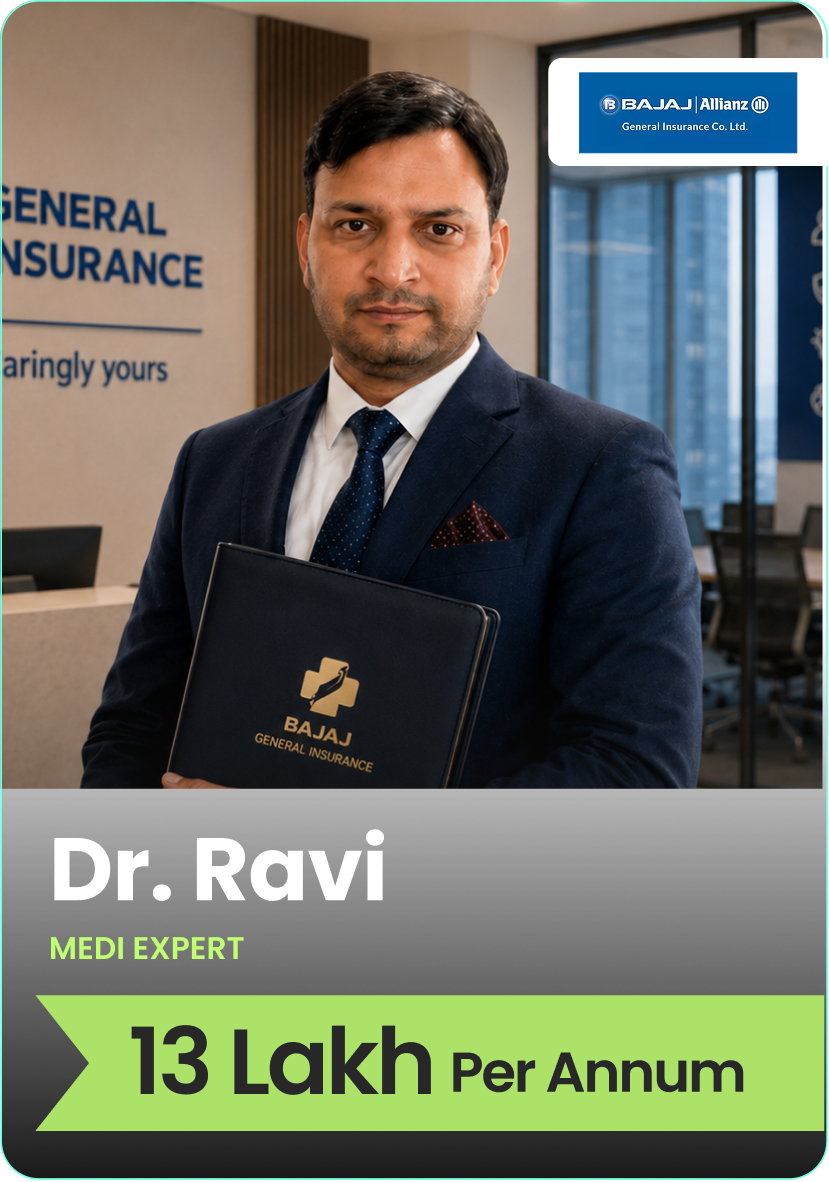
Academically Global graduates have entered the pharmaceutical industry with starting packages of approximately ₹5–6 LPA for freshers from BDS, AYUSH, and Pharmacy backgrounds, while MBBS graduates have secured packages ranging from ₹8–17 LPA. Experienced doctors transitioning into Drug Safety Physician and Pharmacovigilance roles have secured compensation packages ranging from ₹21–32 LPA. MBBS FMG 13LPA in medical affairs.

The programme includes industry-focused training, mentorship from experienced professionals, interview preparation, resume support, and structured job assistance to help participants successfully transition into non-clinical healthcare careers.