Australia is short of more than 2,400 full-time equivalent GPs right now. That shortfall is projected to cross 5,500 by 2033, according to data published in April 2026. International Medical Graduates make up 32 percent of Australia's medical workforce and more than half of all rural doctors. The door is open, and wider than it has ever been. The only key is the AMC MCQ exam.
Yet nearly half of all candidates who sit the AMC MCQ in any given session walk away without a pass. The exam rewards strategic preparation. If you are an IMG planning to sit the AMC CAT MCQ examination, this blog is specifically meant for you. Keep reading.
What the AMC MCQ Exam Tests in 2026
Before building a study plan, you need to understand what you are preparing for, because the AMC MCQ is not a test of how much you have memorised. It is a computer-adaptive test (CAT) consisting of 150 multiple-choice questions to be completed in 3.5 hours, with one correct answer from five options.
Of the 150 questions, 120 are scored and 30 are unscored pilot questions. From 2026 onwards, the Australian Medical Council has introduced a slightly higher pass standard, though results continue to be reported on the familiar 0-500 scale with the pass mark described as 250.
The exam assesses applied clinical reasoning aligned with Australian healthcare guidelines. Every question is rooted in real patient management scenarios. The AMC is explicitly looking for the competency expected of a newly graduated Australian medical student. Rote memorisation of facts from a different healthcare system will not carry you through. Understanding how to manage conditions within an Australian context is non-negotiable.
The AMC exam syllabus is distributed across six major domains. Adult Health (Medicine) carries the heaviest weighting at 30 percent, followed by Adult Health (Surgery) at 20 percent. Women's Health (Ob/Gyn), Child Health, Mental Health, and Population Health each carry 12.5 percent. Every topic area demands both theoretical understanding and clinical application.
The Six-Month AMC MCQ Study Plan: Month by Month
Most IMGs who clear the AMC MCQ on their first attempt spend between five and six months preparing in a structured, consistent manner. The plan below is designed to cover that timeline without burning out.
Month 1: Build the Foundation
The first month is about orientation, not acceleration. Your goal is to understand how the exam works, collect the right resources, and begin refreshing your core clinical knowledge.
Start by reading through the AMC Handbook of Multiple Choice Questions in full. This is the most direct signal from the AMC about what the exam expects. Alongside it, download and study the official AMC exam blueprint so you know exactly how marks are distributed.
In week one, focus on understanding the Computer Adaptive Test format, because the adaptive nature of the exam means question difficulty shifts based on your responses. Knowing this prevents panic mid-exam.
Study one to two subjects per week. In month one, prioritise Adult Health (Medicine) because it accounts for 30 percent of your marks. Make concise notes in your own words rather than copying content. These notes will become your Month 6 revision toolkit.
The single most important habit to build in month one is consistency. Three to four hours of focused study per day, six days a week, beats twelve-hour irregular cramming sessions every single time.
Month 2: Deep Dive into High-Yield Topics
Month two is where depth replaces breadth. You have your foundation. Now you sharpen it subject by subject, using case-based learning to connect clinical presentations to management pathways the Australian way.
Work through Adult Health (Surgery) in the first two weeks. Focus on surgical emergencies, post-operative complications, and perioperative management, because these are high-frequency question categories. In weeks three and four, shift to Women's Health (Ob/Gyn) and Child Health, each carrying 12.5 percent of the total marks.
In month two, begin using AMC-specific question banks alongside your subject study. The purpose at this stage is not timed practice but deliberate learning. Read every explanation, including the ones for questions you answered correctly. The reasoning behind a correct answer is often as instructive as the explanation for a wrong one.
Revise Australian clinical guidelines for each topic as you go. The AMC aligns its questions with current Australian practice standards, including therapeutic guidelines, the National Health and Medical Research Council publications, and RACGP guidelines. Candidates who study from South Asian or European textbook standards without adapting to Australian guidelines consistently underperform.
Month 3: Start Solving and Tracking
Month three marks the transition from learning to practising. Your target for this month is to attempt 100 to 150 MCQs per week under timed conditions.
Begin simulating exam timing from day one of month three. You have 3.5 hours for 150 questions, which works out to roughly 84 seconds per question. Train your brain to operate within that rhythm. Identify every question you get wrong and categorise your errors. Are they errors of knowledge, reasoning, or time pressure? Each category requires a different fix.
In month three, work through Mental Health and Population Health systematically. Mental Health covers the diagnosis and management of psychological, behavioural, and substance use disorders. Population Health includes epidemiology, vaccination programs, public health legislation, patient privacy, and informed consent, which is a legal-heavy area that many candidates neglect until it is too late.
Review the Australian healthcare system in parallel. The AMC frequently embeds questions that require understanding Medicare, referral pathways, mandatory reporting obligations, and notification responsibilities under Australian law.
Month 4: Full Practice Mode
Month four is exam simulation month. Every week, take at least one full-length timed mock test under real exam conditions. That means no phone, no breaks beyond what is permitted, and completing all 150 questions in one sitting.
After each mock test, spend as much time reviewing as you spent doing the test itself. Error analysis is where preparation actually happens. Identify the topics pulling your score down and return to them using your month two subject notes. Revise high-yield summaries from flashcards for rapid recall.
By the end of month four, you should be scoring consistently above 65 to 70 percent on full practice tests. If you are not hitting that range, it is a signal to extend your preparation or intensify focus on specific content gaps rather than simply doing more questions.
Month 5: Clinical Exam Parallel Preparation
Month five has a dual purpose. While you continue mock tests and revision for the MCQ, you should also begin preparing for the AMC Clinical Examination, which you will face after passing the MCQ.
For the clinical component, the focus shifts to structured patient interaction: history-taking, physical examination, diagnostic reasoning, clinical management, and communication skills. The AMC Clinical Examination handbook is your bible here.
Practice role-play scenarios with study partners or mentors. Simulate real exam timing. The communication stations in the Clinical Examination assess not only what you know but how you engage, listen, and respond under pressure.
Month 6: Consolidate and Exam Readiness
Month six is not about learning new things. It is about locking in what you already know.
Revise all short notes and summaries from months one and two. Revisit the questions that troubled you most in your mock tests. Attempt two to three final full-length mock exams in the first two weeks of the month. Then stop adding new content.
In the final week, prepare your exam-day checklist, prioritise sleep, maintain a regular schedule, and eat well. The cognitive performance gap between a well-rested candidate and a sleep-deprived one is measurable. Do not lose marks to logistics.
Recommended AMC MCQ Books for International Medical Graduates
You do not need dozens of textbooks to pass the AMC MCQ. Most successful candidates rely on a small number of high-quality resources and use them strategically alongside question banks and Australian clinical guidelines.
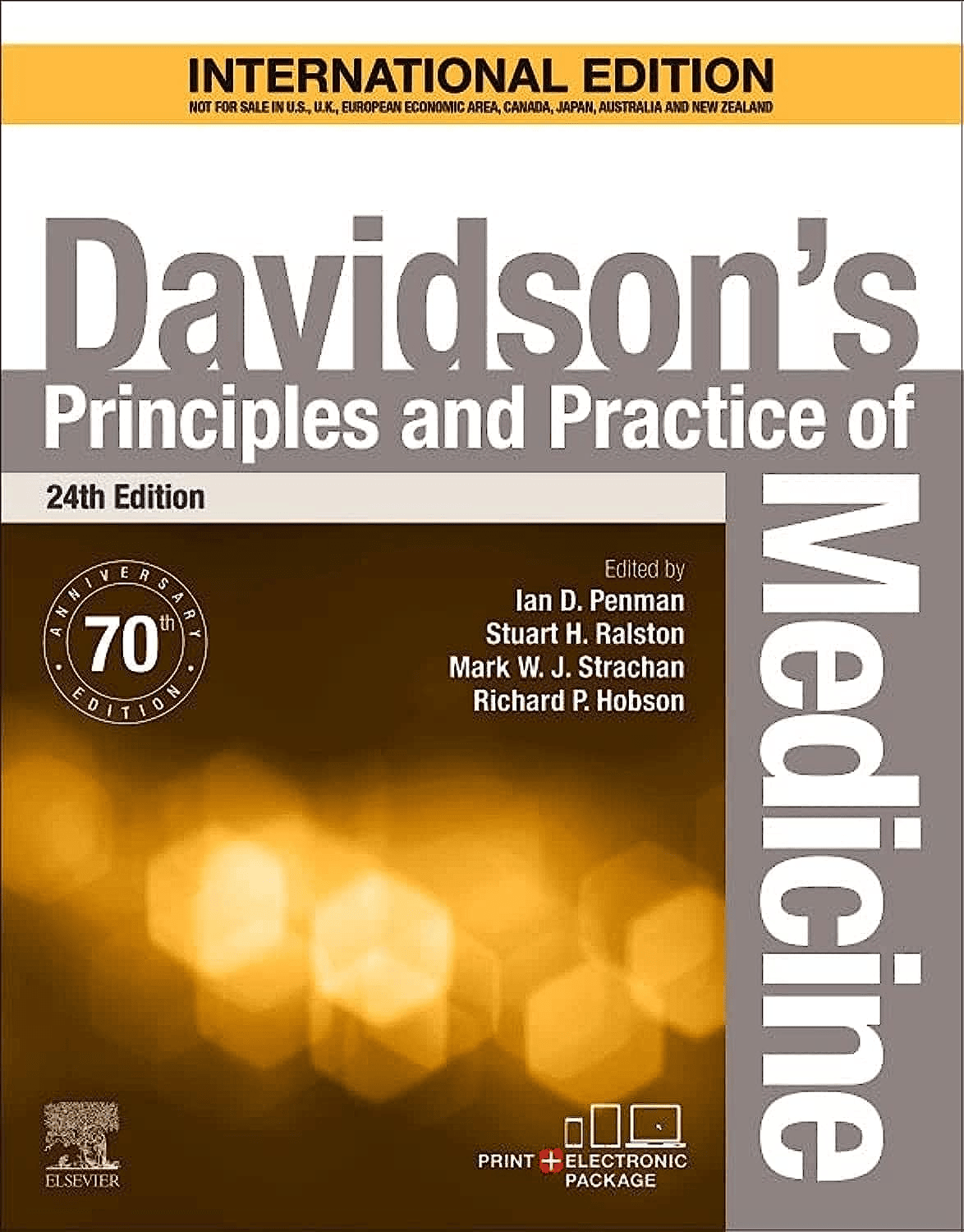
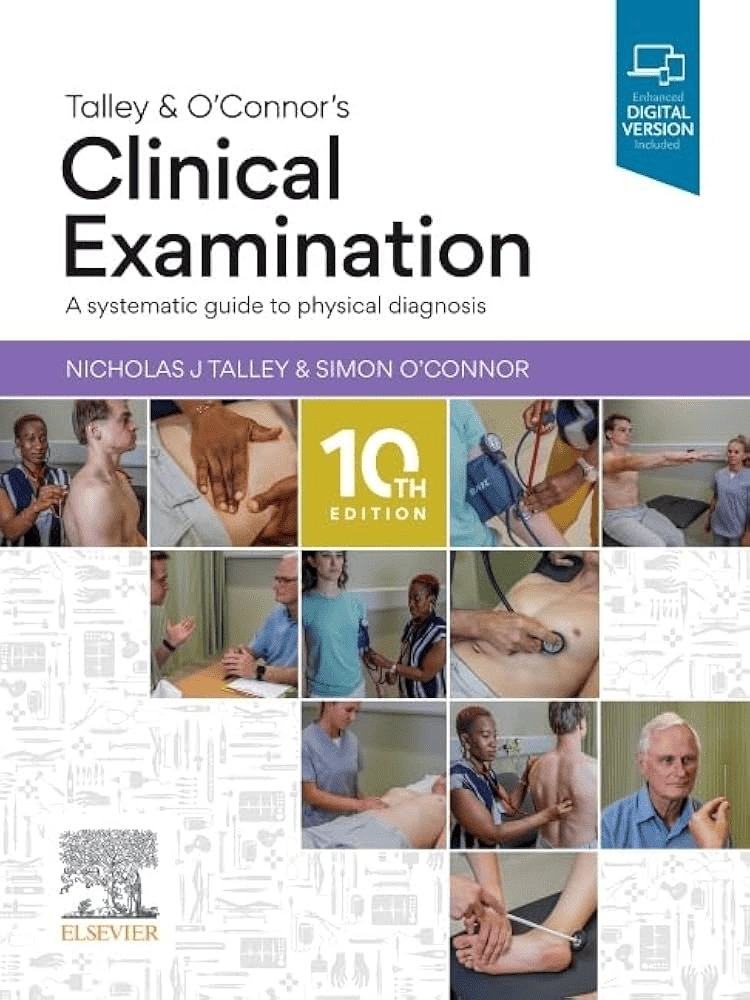
For Medicine, Davidson's Principles and Practice of Medicine remains one of the most comprehensive references, while Talley & O'Connor's Clinical Examination and Nair's Clinical Examination: A Problem Based Approach are highly recommended for developing clinical reasoning and patient assessment skills.
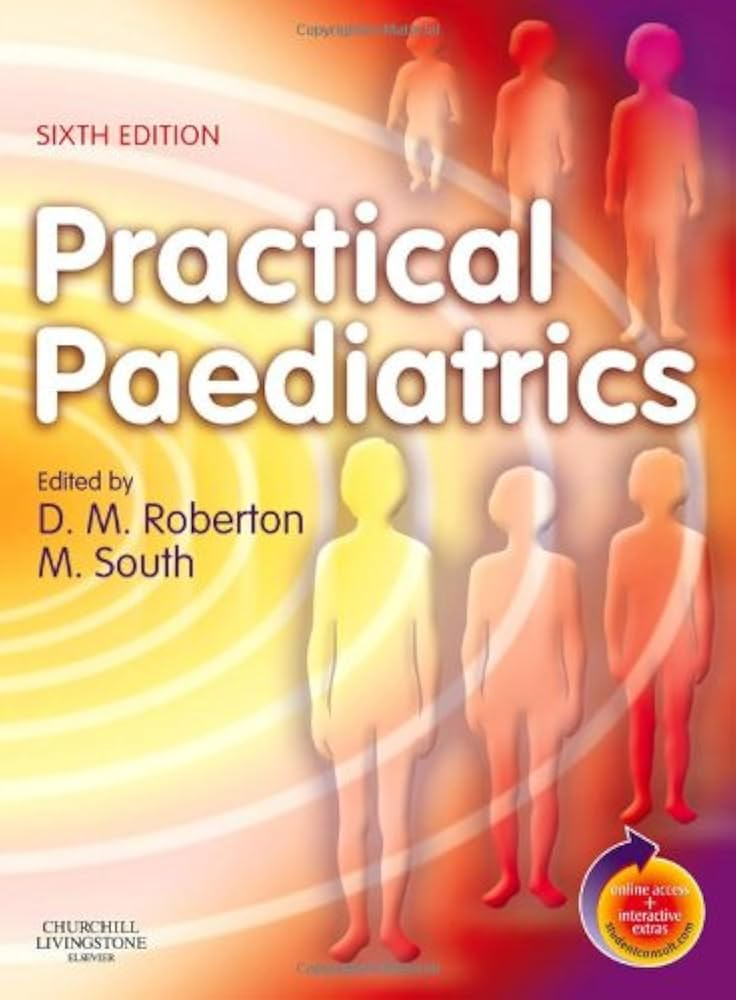
For Paediatrics, Roberton's Practical Paediatrics and the Royal Children's Hospital Paediatric Handbook provide excellent coverage of common Australian paediatric presentations and management approaches.
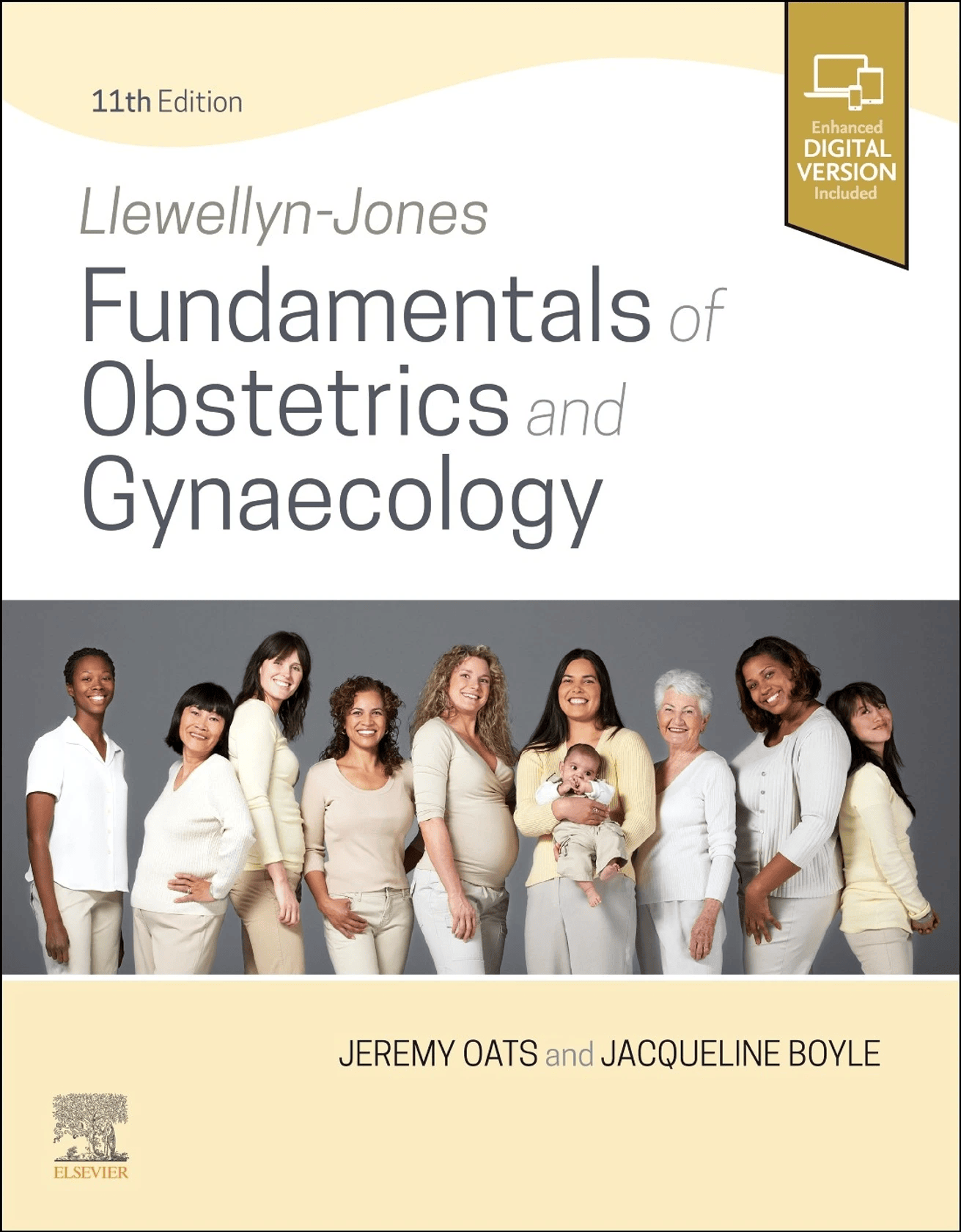
For Women's Health, Llewellyn-Jones Fundamentals of Obstetrics and Gynaecology is widely regarded as the standard Australian text, supported by Beischer & Mackay's Obstetrics, Gynaecology and the Newborn for broader clinical understanding.
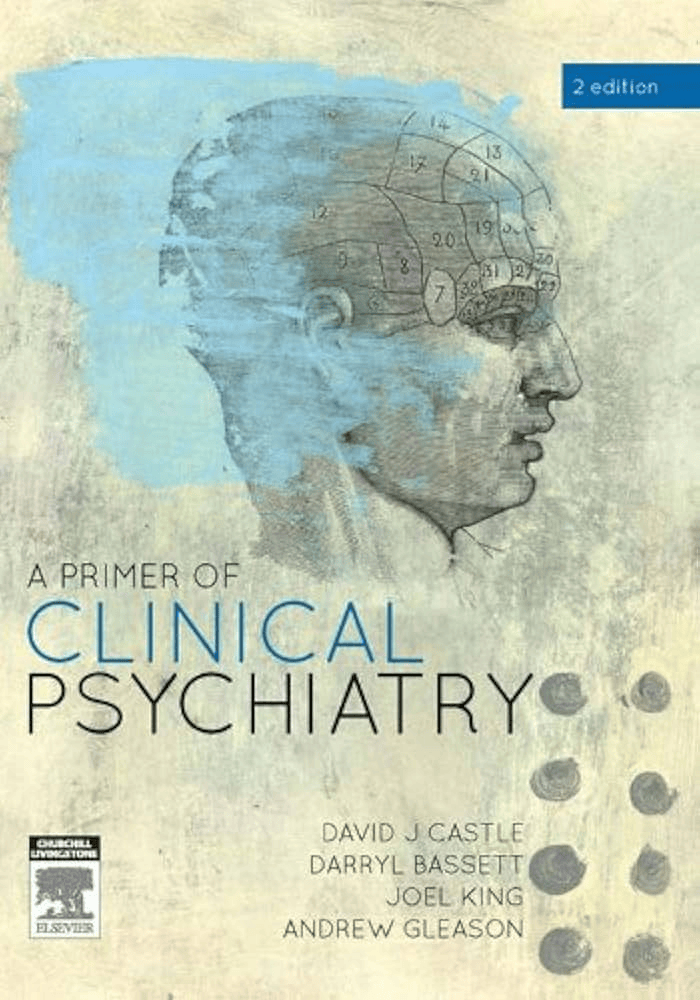
For Psychiatry, A Primer of Clinical Psychiatry is particularly valuable because it combines Australian clinical practice with case-based learning. Candidates seeking deeper understanding may also refer to Foundations of Clinical Psychiatry.
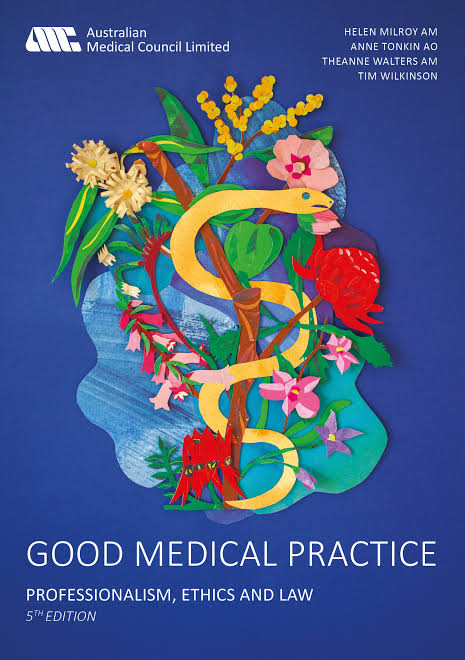
To understand the Australian healthcare system, professionalism, ethics, and medico-legal responsibilities, two highly recommended texts are Good Medical Practice: Professionalism, Ethics and Law and Understanding the Australian Healthcare System.
Remember, these books are reference resources rather than cover-to-cover reading assignments. The AMC itself emphasises that there is no prescribed reading list. Focus on using textbooks to clarify concepts, strengthen weak areas, and understand Australian clinical practice rather than attempting to memorise entire chapters. With official AMC resources, Australian guidelines, and consistent MCQ practice, these references provide more than enough depth for effective preparation.
AMC MCQ Preparation: Tips That Actually Matter
Keep up with AMC announcements. The 2026 pass standard adjustment is one example of how things change. Exam dates, venue availability, scoring methodology, and content updates can all shift between when you begin preparing and when you sit the exam.
Check the official AMC website regularly.
Focus preparation time proportional to weightage. Adult Health (Medicine) and Surgery together account for 50 percent of your marks. Excellence in these two domains alone significantly raises your floor score.
Join a structured study group. The AMC MCQ is not an exam that rewards isolation. Peer discussion of clinical cases, shared error analysis, and group mock tests accelerate learning in ways self-study cannot replicate.
Do not use reconstructed papers. The AMC has explicitly warned that reconstructed exam papers circulating online contain incorrect question stems and inaccurate responses. Candidates who rely on these materials develop wrong clinical reasoning habits. Use official resources and licensed question banks only.
Understand the CAT format. Because the computer-adaptive test adjusts difficulty based on your responses, the exam you receive is unique to you. This means the number of questions you get right is less important than the difficulty level of questions you answer correctly. Consistent performance across the entire paper matters more than a strong start followed by errors.
How Academically Helps You Clear the AMC MCQ
If structured expert guidance is what you need, Academically's AMC Exam Preparation Course is designed to do exactly that. Led by Dr. Akram Ahmad (PhD in Medicine, University of Sydney), a recognised Global Healthcare Career Coach, the programme combines guideline-based content coaching, AI-powered mock tests, and guided feedback by AHPRA-registered medical doctors to replicate real exam conditions throughout your preparation.
Beyond exam coaching, Academically also supports IMGs through visa guidance and post-clearance career placement assistance, so your path does not end with a pass result. For IMGs who need financial support, the Dr. Akram Ahmad Scholarship Scheme for Healthcare Professionals (DASSHP) offers assistance to eligible candidates. It reduces the cost barrier that stops many qualified doctors from pursuing their Australian career goals.
Academically has trained more than 30,000 students across 88+ countries with a 90%+ success rate on international healthcare licensure exams. With limited seats in each cohort, early registration ensures access to the full programme structure.
Common AMC MCQ Preparation Mistakes
Many candidates do not fail because they studied too little. They struggle because they studied the wrong way.
- One common mistake is relying too heavily on passive reading without enough question practice. AMC MCQ is a reasoning exam, so knowledge must be applied, not just remembered.
- Another mistake is ignoring Australian guidelines and answering questions based on local or international habits from other systems. The exam rewards Australian clinical logic, not general familiarity.
- A third mistake is doing questions without reviewing errors properly. Every wrong answer should be analysed carefully because the pattern behind the mistake is often more important than the question itself.
- Many candidates also underestimate Population Health and Mental Health. These areas may feel less “clinical” than Medicine or Surgery, but they are often decisive in overall performance.
- Finally, some candidates wait too long before starting full-length mocks. By the time they begin timed practice, they may already have built a slow pace that is hard to correct.
AMC Exam Results 2026 Success Story
Dr. Vijila, an IMG and CMC graduate completing her service bond in a mission hospital, cleared the AMC MCQ after just five months of focused preparation while working full-time. Unable to attend live classes, she relied heavily on recorded lectures, watched them multiple times, created detailed revision notes, and consistently practised MCQs. In the final phase of preparation, she used mock exams to assess her readiness and joined a small study group for intensive revision. According to her, the combination of structured learning, repeated question practice, performance tracking through grand tests, and peer accountability gave her the confidence to sit the exam as scheduled and achieve a successful result on her first attempt.