From Clinical Burnout to Corporate Success: 4 Inspiring Non-Clinical Transition Success Stories in Healthcare

Written by

Dr. Akram Ahmad

Reviewed by

Dr. Ateeb A. Parray
Non Clinical Transition Success Stories
3 min read

Summary:

Are you a healthcare professional feeling overwhelmed by grueling clinical hours, physical burnout, or a saturated job market? Transitioning into the corporate healthcare sector might be the life-changing career move you need. While the leap from traditional clinical practice to a non-clinical role can seem daunting, having the right mentorship and structured upskilling makes all the difference. In this blog, we explore four inspiring transition success stories from healthcare professionals who successfully shifted from bedside care to thriving corporate careers. They bypassed the clinical grind to secure rewarding alternative careers for doctors in Medical Affairs, Pharmacovigilance, HealthTech, and Data Analytics. Read on to discover the unique tips, tricks, and strategies they used to navigate their career pivots, how comprehensive training accelerated their journeys, and the exact steps you can take to successfully do the same.

Key Takeaways

  • Transitioning to non-clinical roles allows healthcare professionals to escape 100-hour workweeks and secure better compensation with flexible schedules.
  • Comprehensive training in areas like Medical Affairs or Pharmacovigilance bridges the knowledge gap between patient care and corporate operations.
  • Revamping your clinical resume into an ATS-friendly, corporate-focused CV is a massive game-changer for getting shortlisted by top recruiters.
  • Daily interview preparation and soft-skills training are critical for articulating your clinical value to corporate hiring managers.
  • Utilizing Capstone projects and faculty guidance gives candidates a massive competitive edge, turning job rejections into placement offers.

For many healthcare professionals whether you are an MBBS doctor, a dentist (BDS), or a Foreign Medical Graduate (FMG) the dream of treating patients often collides with the harsh realities of the modern healthcare system. Long hours, grueling 36-hour shifts, physical toll, and a saturated job market can quickly lead to severe burnout.

Many clinicians eventually find themselves asking: Is there a way to use my medical expertise without sacrificing my physical, mental, and financial well-being?

The answer lies in the corporate healthcare sector. The pharmaceutical, HealthTech, and medical device industries are actively seeking the clinical knowledge that you already possess. However, making the leap from the hospital floor to the corporate boardroom requires more than just a medical degree—it requires a strategic pivot. From understanding corporate jargon to revamping a clinical resume into an ATS-friendly format, the transition can feel overwhelming without the right guidance.

That is where structured upskilling and mentorship come in. By bridging the gap between clinical knowledge and corporate execution, specialized training programs empower healthcare professionals to reclaim their time, earn competitive salaries, and build fulfilling remote or hybrid careers.

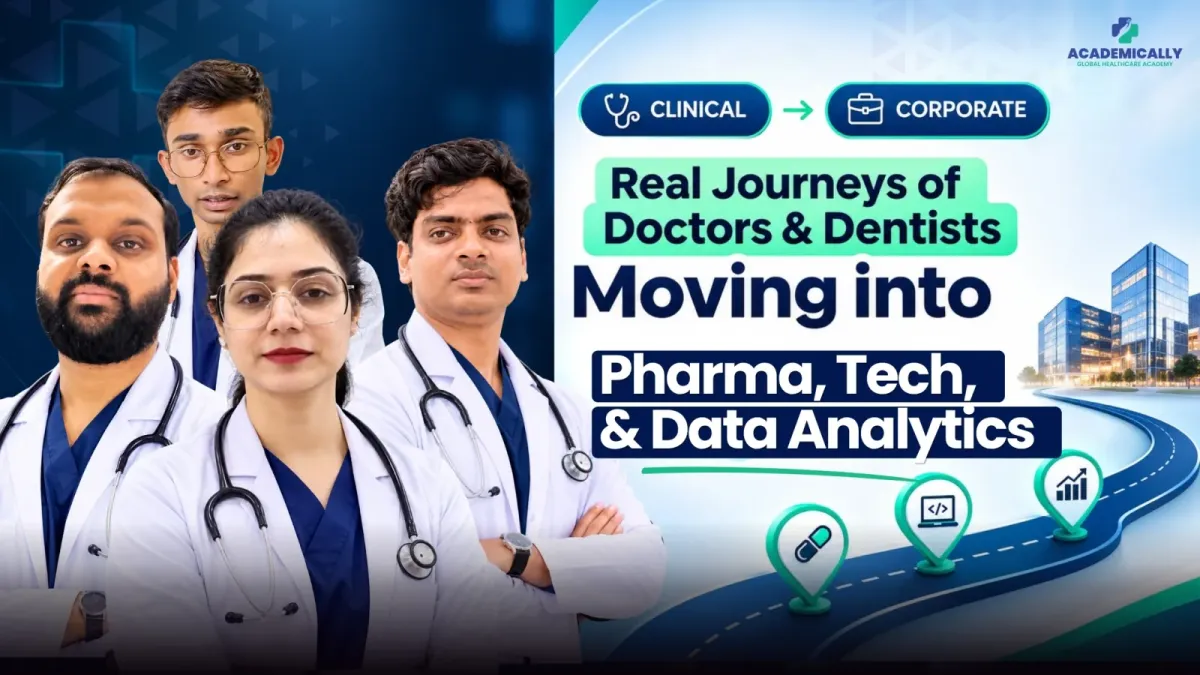
Below, we explore the real-life journeys of four such professionals who took the leap with Academically Global and successfully transformed their career trajectories.

Overcoming Physical Hurdles to Thrive in the Corporate Sector  
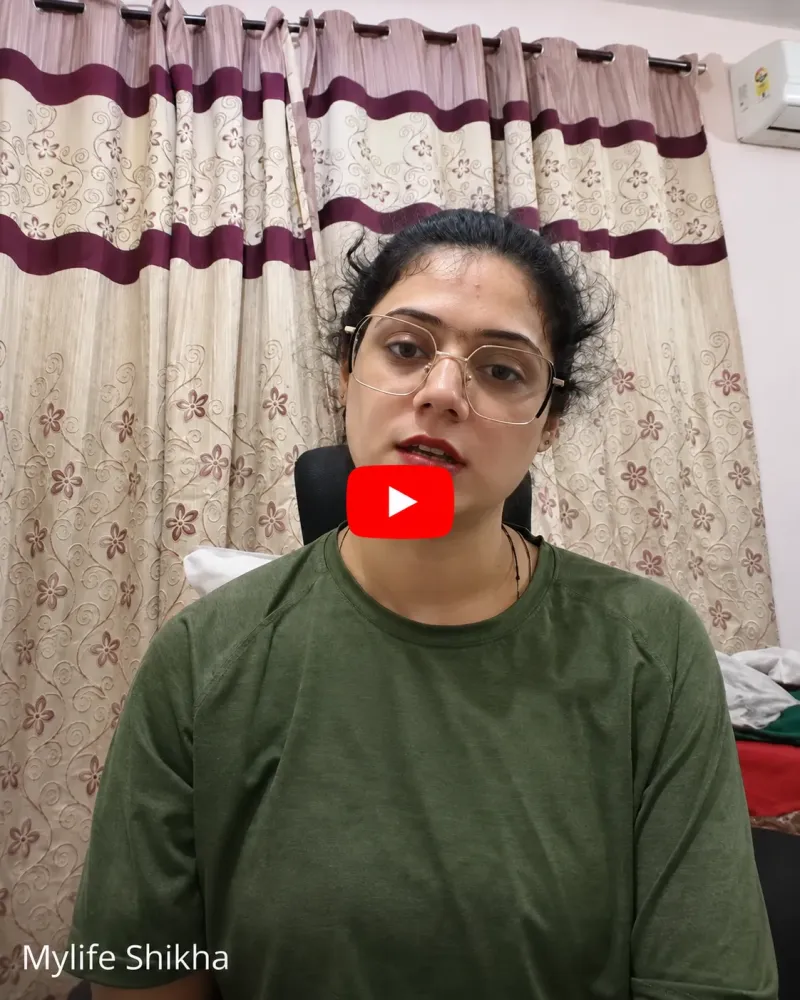
 

For many dental and medical professionals, the physical toll of clinical practice is a silent struggle. This was the reality for Dr. Shikha, a BDS graduate whose severe cervical spondylitis an unfortunately common occupational hazard for dentists made practicing on a dental chair increasingly painful and unsustainable. Knowing she couldn't limit her horizons to traditional clinical practice, she decided to explore the corporate sector and enrolled in the Certification in Medical Affairs program at Academically Global.

Within just 1.5 months of starting her non-clinical upskilling, she secured a remote role working on medical device projects, researching clinical trials, and analyzing medical device data. Today, she enjoys the flexibility of working from home, allowing her to balance her career and family seamlessly.

Dr. Shikha's Pro-Tip: Don't limit your job hunt solely to LinkedIn. While it is a great tool, there are numerous other remote work and corporate job platforms where you can apply. Keep an open mind, and understand that corporate work-from-home roles require just as much dedication and discipline as on-site jobs. 


Escaping the 100-Hour Workweek for a Future in Healthcare Tech  

 

The clinical grind can quickly lead to extreme burnout, as was the case for Dr. Charan. While completing his medical PG, he was working nearly 100 hours a week with exhausting 36-hour shifts. Drained by the lack of work-life balance and disproportionate pay, he decided to look for a way out and joined Academically Global's Non-Clinical Upskilling Program.

His non-clinical journey started rapidly. Initially placed in a drug safety physician role, he realized within 11 days that he wanted a more dynamic challenge. Taking a calculated risk, he accepted a new offer at an AI firm as a Medical AI Assistant. Now, he enjoys a healthy work-life balance while leveraging his clinical expertise to train cutting-edge medical technology, with future sights set on Medical Affairs within the MedTech space.

Dr. Charan's Pro-Tip: Trust the process and stick strictly to your transition coursework. Even if some concepts feel new or complex at the start, adhere to the curriculum. Don't be afraid to take calculated risks early in your corporate career to find a niche that truly excites you. 


Entering the healthcare workforce as a Foreign Medical Graduate (FMG) comes with its own unique set of challenges. Dr Faiz, an FMG from Tbilisi Medical Academy, realized early on that the clinical market was becoming highly saturated. He wanted a career that offered a strong return on his educational investment without sacrificing his personal life to long hours and low pay.

Choosing the non-clinical route, he focused on Medical Affairs and Pharmacovigilance. By heavily investing in his communication skills and personal branding, Dr Faiz successfully positioned himself as an ideal corporate candidate and effectively bridged the gap between his overseas medical education and the corporate pharmaceutical industry.

Career AspectTraditional FMGE (Clinical Path)Corporate Non-Clinical Career (Pharma & Tech)
Entry BarrierRequires clearing the highly competitive FMGE (often with low historical pass rates) and completing mandatory internships.Requires targeted industry upskilling, mock interview prep, and an ATS-friendly corporate CV; no licensing exam needed.
Work-Life BalanceDemands long clinical shifts, unpredictable on-call hours, and potential mandatory rural postings.Offers standard corporate working hours, weekends off, and frequent remote or hybrid opportunities.
Market SaturationHighly saturated in urban centers, leading to intense competition for entry-level Junior Resident (JR) roles.High and expanding global demand for medical expertise to bridge the gap between clinical science and business.
Financial GrowthLinear growth tied strictly to years of clinical experience; starting pay is often disproportionately low.Rapid scaling potential through corporate promotions, performance bonuses, and strategic industry switches.
Career FlexibilityStrictly limited to hospital, clinical practice, or traditional academic settings.Diverse upward mobility across Medical Affairs, Regulatory Affairs, Drug Safety, and Medical Data Analytics.


 Dr Faiz's Pro-Tip: Do not rush the transition process. Follow the instructions of your mentors closely. They have the industry knowledge and experience to guide you, so trust their timeline and remain patient while building your corporate profile. 

Turning 1,500 Rejections into a Thriving Data Analytics Career  
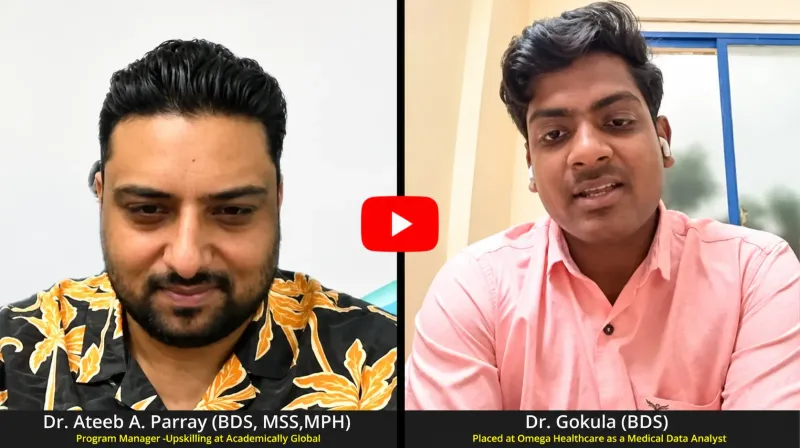
 

The journey to a corporate role requires immense resilience. Dr. Gokula, a BDS graduate, faced the crushing weight of over 1,500 job application rejections. Instead of giving up or defaulting to a traditional MDS degree like many of his peers, he doubled down on his passion for pharmacology and patient safety.

Enrolling in Academically Global’s Clinical Research and Drug Development track changed his trajectory. By dedicating himself to deep-dive research into clinical trial phases and presenting published evidence directly to industry professionals, he dramatically improved his marketability. Thanks to his relentless persistence, he secured a role as a Medical Data Analyst at Omega Healthcare before he even finished his training program.

Dr. Gokula's Pro-Tip: Stay aggressively consistent. Continually upskill yourself, practice your interview techniques daily, keep polishing your LinkedIn profile, and most importantly—never stop applying, no matter how many rejections you face. 


How Academically Global Powered Their Transitions  

Transitioning from a hospital floor to a corporate boardroom requires a specific set of tools. Here is exactly how Academically Global equipped these four professionals to land their dream roles:

  • ATS-Friendly CV & LinkedIn Optimization: As Dr. Shikha noted, the CV building support was an absolute "game-changer," and Dr Faiz credited the team with helping him create a highly engaging LinkedIn profile that recruiters actually notice.
  • Daily Interview & GD Preparation: Clinical interviews are vastly different from corporate ones. Academically’s daily mock interviews and Group Discussion (GD) prep gave candidates like Dr Faiz and Dr. Gokula the communication skills and confidence to excel in front of hiring managers.
  • Flexible Weekend Classes: For working clinicians like Dr. Charan, Academically’s weekend classes made upskilling possible without forcing him to quit his day job prematurely.
  • Capstone Projects & Mentorship: Dr. Gokula used his Capstone project to present clinical trial data to industry professionals, serving as a massive stepping stone for practical industry readiness.

Are you ready to make the leap into a non-clinical career? Academically Global offers tailored, scenario-based upskilling programs designed specifically for doctors, dentists, and healthcare professionals.
About Us

Academically is a global Ed-Tech healthcare platform, led by Dr. Akram Ahmad (PhD in Medicine, University of Sydney, Global Healthcare Career Coach) and his expert team, that helps pharmacists, doctors, dentists, physiotherapists, and other allied healthcare professionals to achieve their career goals in India and abroad. We provide complete career guidance, like skill assessment, Visa, PR and coaching for International licensure exams such as AMC, Overseas Pharmacist Readiness Assessment, APEP, ADC, DHA, SPLE, OCANZ COE and more for countries like Australia, New Zealand, Gulf countries, the US, the UK, and Canada. We have trained more than 10,000+ students across 88+ countries, with a 90%+ success rate on international healthcare licensure exams. We are India’s first healthcare Ed-Tech platform to introduce AI-based mock tests, to help students study smarter and track progress effectively. Beyond exam preparation, we also offer job assistance programmes, such as Upskill by Academically, covering clinical drug development and medical affairs. To help you land your dream job, we have recently launched our job platform Jobslly by Academically, only for healthcare professionals for both India and abroad.

FAQs

What are the best non-clinical career options for doctors and dentists?

Healthcare professionals possess excellent transferable skills for roles in Medical Affairs, Pharmacovigilance (Drug Safety), Clinical Research, Healthcare Consulting, Medical Writing, and HealthTech (Medical AI and Data Analytics).

Can I transition to a non-clinical role without prior corporate experience?

Absolutely. Programs like those at Academically Global are specifically designed to bridge this knowledge gap. By participating in Capstone projects, interview prep, and industry-specific training, you can easily leverage your existing clinical knowledge for entry-level corporate roles.

Are there work-from-home options available in non-clinical healthcare?

Yes! Many roles in Pharmacovigilance, Medical Writing, and Medical Device research offer remote or hybrid setups. These roles provide excellent work-life balance, though they still require standard corporate dedication during working hours.

Is it harder for Foreign Medical Graduates (FMGs) or Dental Graduates (BDS) to get placed?

Not if you have the right strategy. Corporate pharmaceutical and healthcare companies actively hire FMGs and BDS graduates for their extensive medical knowledge. A strong CV and specialized upskilling can easily overcome degree-specific hurdles.

How long does the transition from clinical to non-clinical take?

The timeline varies by individual. Some candidates secure roles within 1 to 2 months of starting their upskilling programs, while others may take a bit longer. Consistency in learning, networking, and applying determines your speed.

Will I earn less in a non-clinical role compared to clinical practice?

Not necessarily. While entry-level corporate salaries may be comparable to junior clinical roles, the earning potential, annual increments, and career growth in the corporate sector are often much higher and faster.

Do I need to quit my current clinical job to upskill for a corporate role?

No. Upskilling programs like those at Academically Global feature flexible weekend classes, so you can complete your coursework and prepare for interviews without having to sacrifice your current clinical income.

What is a Capstone project, and how does it help in placements?

A Capstone project is a hands-on, mentor-guided research assignment that simulates real-world industry tasks. Completing a Capstone allows you to present practical data to industry leaders, drastically boosting your resume.

What soft skills are most important for corporate healthcare jobs?

Strong communication, adaptability, teamwork, and presentation skills are crucial. Daily mock interviews and group discussion (GD) prep help clinicians transition their bedside communication style into a corporate boardroom style.

How do I decide which non-clinical pathway is best for me?

If you enjoy research and communication, Medical Affairs is a great fit. If you are passionate about compliance, look into Pharmacovigilance. If you are fascinated by technology and data, roles in HealthTech and Medical Data Analytics might be your best path.

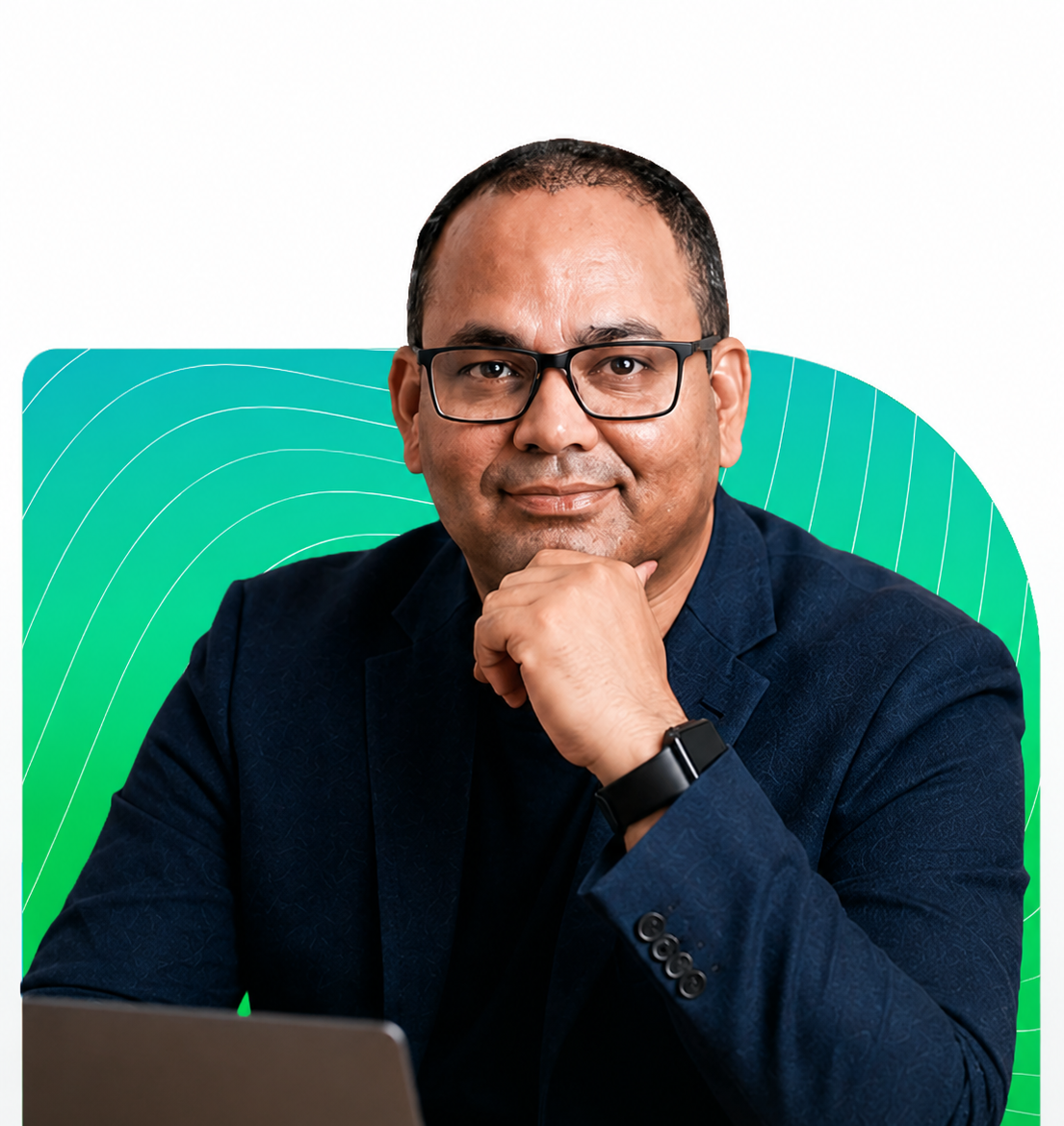
Dr. Akram Ahmad
Dr. Akram Ahmad

BPharm, PharmD, PhD (University of Sydney, Australia)

about the author

Dr. Akram Ahmad, PhD, is a clinical pharmacist, researcher and healthcare educator with more than 14 years of teaching and research experience across India, Malaysia and Australia. He completed his PhD at the Faculty of Medicine and Health, University of Sydney, where his research focused on medication safety and health outcomes, and has authored over 110 peer-reviewed publications in international journals.

He is the founder and CEO of Academically Global, a healthcare education company that has supported more than 10,000 doctors, dentists, pharmacists, nurses and physiotherapists across 88 countries, and of Jobslly, a healthcare careers platform. He is a TEDx speaker and has been featured on JioHotstar and Wikipedia, and has mentored healthcare professionals in both university and industry settings.

Dr. Ahmad writes and speaks on two areas in particular: international licensing pathways for healthcare professionals, including the AMC (Australia), USMLE (USA), OPRA (Australia and New Zealand), PEBC (Canada), PSI (Ireland) and DHA/MOH (Gulf) examinations, and non-clinical career transitions into pharmacovigilance, Medical Affairs/MSL, clinical research, medical writing and regulatory affairs.

His goal with every article is simple: to give healthcare professionals accurate, practical information about global career options that no one taught them in college.

Dr. Ateeb A. Parray
Dr. Ateeb A. Parray

Programme Manager- Non Clinical/Upskilling Courses

BDS, MSS, MPH

about the reviewer

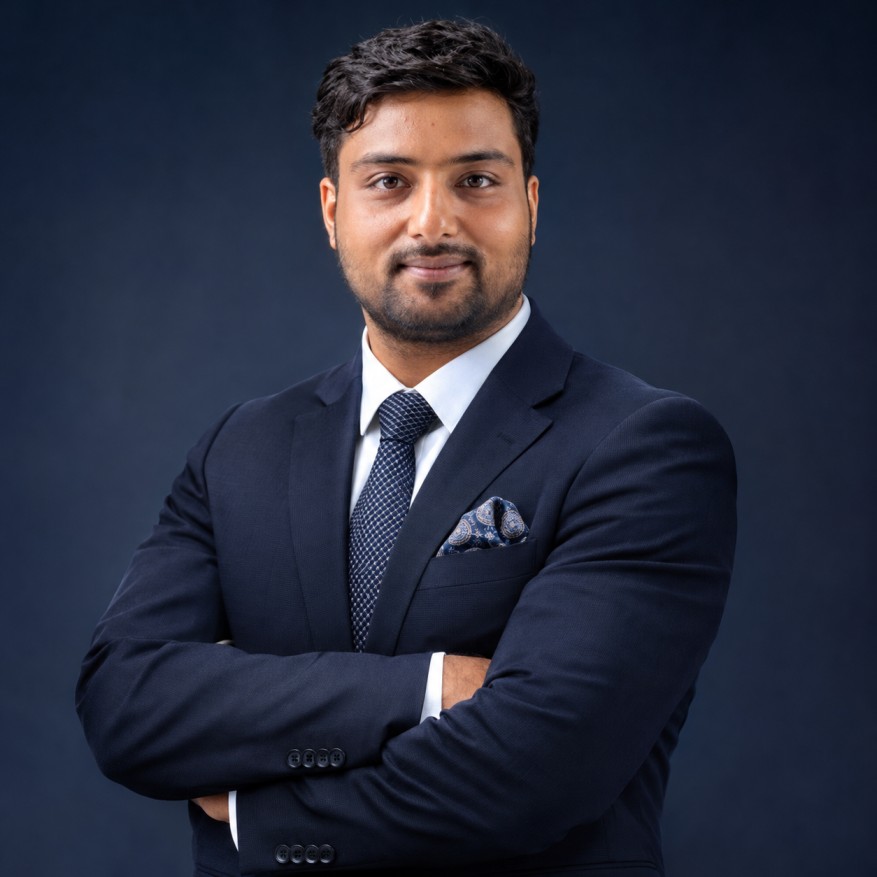
Dr. Ateeb A. Parray, BDS, MSS, MPH, is a medical, social science, and public health professional with nearly a decade of experience in the design, development, implementation, monitoring, and evaluation of public health and healthcare programmes.

An accomplished scientist and program management professional, Dr. Parray has authored and co-authored over 25 scientific publications in leading international peer-reviewed journals, garnering more than 16,000 citations, with an h-index of 14 and an i10-index of 17. His professional experience spans several geographical settings, including India, Bangladesh, Afghanistan, and the United States, where he has served in multiple capacities, including programme management and execution at Johns Hopkins University.

In recognition of his contributions to public health, research, and implementation science, Dr. Parray has received several prestigious honours and distinctions, including the WHO-TDR Fellowship in Implementation Science, Young Investigator Award, Begum Rokeya Sakhawat Hossain Award, and Bloomberg Leadership Hall of Fame Award.

Currently, Dr. Parray serves as Program Manager at Academically Global Healthcare Academy., where he leads the Academically Upskilling Programme, overseeing executive-level professional development initiatives in Medical Affairs and Clinical Drug Development. These programmes encompass key domains such as Pharmacovigilance, Clinical Research, Clinical Data Management, and Medical Writing. In this role, he has also played a significant part in facilitating the recruitment and career placement of over 80 medical doctors, pharmacists, and AYUSH professionals, supporting their transition into diverse opportunities across the healthcare and pharmaceutical industries. 

Build a Successful Global Healthcare Career

100% secure & confidential.

Academically

Get Complete Details & Expert Guidance

Our experts will contact you soon

Free guidance • No spam • No obligation

Students
Trusted by 50,000+ healthcare aspirants