How Dentists Can Get High Paying Non Clinical Jobs in Pharma: A Success Story

Written by

Reviewed by

2 min read

Summary:

Transitioning from a clinical role to the corporate pharmaceutical sector can be a transformative experience for many healthcare professionals. This success story explores the inspiring journey of a top-ranking dental surgeon who successfully pivoted from a hospital-based clinical internship to a dynamic career in clinical drug development and pharmacovigilance. Driven by a deep curiosity about how medicines are safely and efficiently manufactured, she sought a more research-aligned path. By enrolling in an Executive Program of Clinical Drug Development and Pharmacovigilance, and proactively pursuing AI engineering training, she gained crucial industry knowledge and technical skills. Her story highlights the importance of targeted upskilling, continuous learning, and the value of combining clinical expertise with modern technology to build a rewarding career beyond traditional patient care.

Key Takeaways

  • Successfully pivoted from a clinical BDS role to a specialized career path in clinical drug development and pharmacovigilance.
  • Graduated at the top of her university and completed a clinical internship at Government Dental College and Hospital, Srinagar.
  • Recognized a deep interest in drug safety and efficacy, strategically seeking a structured non-clinical educational pathway.
  • Gained industry-aligned knowledge through a capstone project focusing on Zoipent, a medication for acute migraine pain.
  • Enhanced her skill set by learning AI engineering to adapt to the changing technological needs of the healthcare sector.

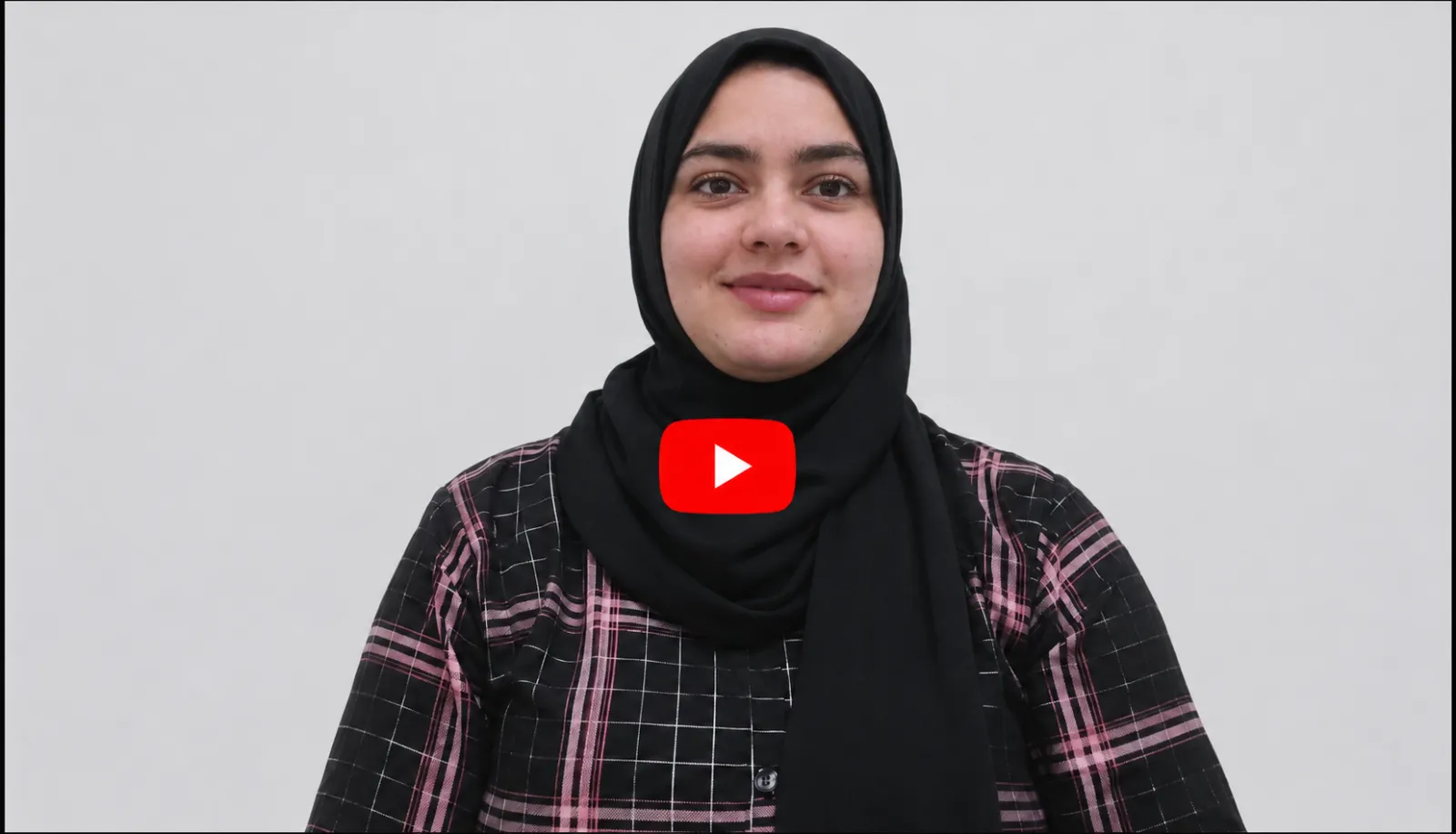
Not every success story begins with immediate clarity. For many healthcare professionals, the decision to change paths comes during or after their clinical training. This is the story of Dr. Iflah Irshad, a 25-year-old dental surgeon from a small town in Jammu and Kashmir, who successfully transitioned from clinical dentistry to the pharmaceutical and drug development industry.

A Strong Foundation in Clinical Practice  

Dr. Iflah’s academic journey began with a strong foundation in scientific and analytical reasoning during her schooling at Jawahar Vidyalaya. She subsequently pursued her Bachelor of Dental Surgery (BDS) from the Institute of Dental Sciences, where she achieved the remarkable feat of graduating at the top of her university.

After her graduation, she completed her rotary clinical internship at the Government Dental College and Hospital in Srinagar. During this period, she gained extensive, hands-on experience in patient care, accurate diagnosis, and appropriate treatment protocols.


Recognizing the Need for a New Direction  

Despite her success in the clinical realm, the reality of day-to-day practice sparked a new curiosity. While working with patients, Dr. Iflah found herself deeply interested not just in prescribing treatments, but in the treatments themselves. She began wondering how medicines are made, and how they are formulated to be both safe and efficient.

This growing curiosity about drug safety and efficacy gradually led her to explore professional opportunities beyond traditional clinical practice. Driven by a scientific mindset, the decision was made to pivot toward a non-clinical role, requiring a structured pathway to make the transition possible.

Finding the Right Pathway for Upskilling  

To pursue this newfound interest, Dr. Iflah recognized the need for specialized education to bridge the gap between her clinical knowledge and the pharmaceutical industry’s requirements. She found her solution by joining an Executive Program of Clinical Drug Development and Pharmacovigilance. This comprehensive training was exactly what she needed to understand the complex landscape of drug safety.

The Upskilling Journey and Real-World Projects  

The executive program provided the exact industry-aligned knowledge required for a corporate pharmaceutical role. As part of her non-clinical journey, Dr. Iflah engaged in practical, hands-on learning. She is currently working on a vital capstone project focused on Zoipent, a drug utilized for the treatment of acute migraine pain.

This specific project has been instrumental in helping her explore the nuances of drug development and the critical phases of safety evaluation, providing a solid foundation for her future career.

Embracing AI and the Changing Needs of Healthcare  

Breaking into the modern healthcare sector requires more than just academic knowledge; it demands adaptability. Apart from her pharmacovigilance studies, Dr. Iflah took the proactive step of learning AI engineering through B10X. This innovative training has allowed her to combine her clinical background with a deep knowledge of Artificial Intelligence. By integrating these fields, she is perfectly positioning herself to adapt to the rapidly changing needs of the global healthcare system.

Where to Find Non-Clinical and Pharmacovigilance Jobs After Upskilling  

Finishing a course is only half the journey. The next question is where to actually look. General job portals are full of listings that have nothing to do with healthcare, which makes it hard to spot the right non-clinical or pharmacovigilance roles.

That’s the gap Jobslly by Academically is built to fill. It’s a healthcare-focused career platform where doctors, dentists, pharmacists and other healthcare graduates can explore verified roles in pharmacovigilance, clinical research, medical affairs, medical writing and other non-clinical areas, in India and abroad. Along with job listings, it offers resume guidance and expert support, which helps when a clinician is repositioning their experience for a corporate role.

For BDS graduates like Dr. Iflah who are moving into drug safety and clinical drug development, searching on a platform built for healthcare careers can keep the job hunt more focused.

Conclusion  

Dr. Iflah describes herself as a dedicated and curious learner, and her journey proves that clinical experience is a powerful stepping stone into the broader world of healthcare research. Looking forward, she aims to build a robust career in clinical drug development and pharmacovigilance, where she can combine her clinical healthcare knowledge with scientific research to contribute to the safe and effective use of medicines worldwide.

Taking action, following your curiosity, and upskilling in the right direction can truly transform a healthcare career.

Dr. Iflah’s journey proves that with the right guidance, your clinical degree is a powerful stepping stone into the lucrative corporate healthcare sector. Whether you are a Pharmacist, Dentist, Medical Practitioner, or Life Sciences graduate, targeted upskilling is the key to unlocking high-paying global roles.

Take control of your future with Academically’s Executive Programmes in Clinical Drug Development, Pharmacovigilance, and Medical Affairs.

FAQs

Why choose a non-clinical career over a clinical one?

While Dr. Iflah deeply valued her time providing direct patient care during her dental internship in Srinagar, she realized her true passion lay in understanding the science behind the treatments. She had a growing curiosity about how medicines are developed and monitored for safety. A non-clinical career allows her to satisfy that curiosity and impact global healthcare on a much larger scale.

Is a BDS degree relevant to clinical drug development and pharmacovigilance?

Absolutely. Her background in dentistry gave her a strong foundation in human anatomy, pharmacology, and scientific reasoning. The diagnostic and analytical skills she developed during her clinical rotations translated perfectly into understanding drug safety, efficacy, and clinical research.

How did she bridge the gap between clinical dentistry and the pharmaceutical industry?

She knew she needed a structured pathway to make the leap. That’s where upskilling became essential. Enrolling in an Executive Program in Clinical Drug Development and Pharmacovigilance gave her the specific industry guidelines and corporate knowledge she lacked. The expert guidance and curriculum provided by Academically were instrumental in bridging that gap smoothly.

What makes an upskilling program effective?

For her, it was the focus on real-world application. Instead of just learning theory, she worked on a practical capstone project focusing on a migraine medication (Zoipent). Having access to industry-aligned materials and expert mentors at Academically gave her practical corporate insights she couldn’t have gotten from a textbook.

How does she handle the fast pace of transitioning into a new industry?

It requires dedication and a curious mindset. Dr. Iflah managed the transition by actively engaging with her coursework, relying on the comprehensive resources provided by her mentors, and staying open to continuous learning. That’s why she also took on AI engineering training to stay ahead of the curve.

Why is corporate and interview preparation important for healthcare professionals?

Corporate healthcare interviews are entirely different from clinical assessments. Healthcare professionals need to know how to frame their clinical experience as a corporate asset. The career support and mentorship Dr. Iflah received through Academically taught her exactly how to confidently present her academic and clinical background to pharmaceutical recruiters.

Can non-clinical roles offer strong career growth?

Yes! In Dr. Iflah’s view, the pharmaceutical, pharmacovigilance, and drug safety sectors are expanding rapidly. Once someone enters the industry and combines their foundational healthcare knowledge with corporate training, the trajectory for career growth and global opportunities is incredible.

What is the biggest challenge when moving to corporate healthcare?

For her, the biggest challenge was shifting her mindset from treating individual patients to focusing on global drug safety protocols, as well as learning specific corporate and regulatory terminology. Thankfully, the structured training and dedicated support helped her overcome this learning curve quickly.

How important is technology, like AI, in her new field?

It is vital. The healthcare landscape is changing rapidly, which is why Dr. Iflah is currently combining her clinical background with AI engineering. Understanding modern technology and data analysis makes a professional an invaluable asset in modern drug development and safety evaluation.

Would she recommend specialized training with Academically for this transition?

Without a doubt! Academically provided her with the exact structured pathway, industry-aligned curriculum, and career support she needed to pivot successfully. Their mentorship transformed her clinical experience into practical corporate confidence, making her career transition possible.
Dr. Rukhsar Jabbar

Medical Content Writer Intern

MPT Physiotherapy (Neurology)

about the author

Rukhsar Jabbar  is a dedicated medical writer and clinical researcher specializing in neurological rehabilitation and evidence-based healthcare communication. She formulates research-driven digital content, educational articles, and patient-centric literature aimed at translating complex clinical evidence into accessible health insights. With clinical expertise in Physiotherapy  and health content creation, Rukhsar has published across international digital health platforms, including Datelinehealth Africa

(DLHA) and Klarity Health. Her work focuses on bridging the gap between scientific literature  

and public health literacy, empowering readers through actionable healthcare knowledge.

Dr. Ateeb A. Parray

Programme Manager- Non Clinical/Upskilling Courses

BDS, MSS, MPH

about the reviewer

Dr. Ateeb A. Parray, BDS, MSS, MPH, is a medical, social science, and public health professional with nearly a decade of experience in the design, development, implementation, monitoring, and evaluation of public health and healthcare programmes.

An accomplished scientist and program management professional, Dr. Parray has authored and co-authored over 25 scientific publications in leading international peer-reviewed journals, garnering more than 16,000 citations, with an h-index of 14 and an i10-index of 17. His professional experience spans several geographical settings, including India, Bangladesh, Afghanistan, and the United States, where he has served in multiple capacities, including programme management and execution at Johns Hopkins University.

In recognition of his contributions to public health, research, and implementation science, Dr. Parray has received several prestigious honours and distinctions, including the WHO-TDR Fellowship in Implementation Science, Young Investigator Award, Begum Rokeya Sakhawat Hossain Award, and Bloomberg Leadership Hall of Fame Award.

Currently, Dr. Parray serves as Program Manager at Academically Global Healthcare Academy., where he leads the Academically Upskilling Programme, overseeing executive-level professional development initiatives in Medical Affairs and Clinical Drug Development. These programmes encompass key domains such as Pharmacovigilance, Clinical Research, Clinical Data Management, and Medical Writing. In this role, he has also played a significant part in facilitating the recruitment and career placement of over 80 medical doctors, pharmacists, and AYUSH professionals, supporting their transition into diverse opportunities across the healthcare and pharmaceutical industries.