ADC Written Examination 2026-2027: What Has Changed?
Before choosing your books, understand the examination you are preparing for.
The ADC Written Examination is the second stage of the dental practitioner assessment process for eligible overseas-qualified dentists. It assesses the knowledge, clinical judgement and reasoning required for dental practice in Australia.
For General Dentistry, the ADC introduced minor updates to the Written Examination blueprint for examinations starting in 2026. The changes reflect updates to the Professional Competencies of the Newly Qualified Dental Practitioner and are intended to keep the examination aligned with the competencies expected of newly qualified dentists in Australia.
The ADC has not described these General Dentistry changes as a major overhaul of the examination format. Candidates should therefore use the 2026 General Dentistry Written Examination Handbook and its updated blueprint as the definitive reference for the subjects, domains and competency areas assessed.
This is particularly important when using older ADC preparation books or study guides, as they may not fully reflect the current blueprint.
Current ADC Written Exam Format
| Feature | Format in 2026-2027 |
| Delivery | Computer-based |
| Duration | 2 consecutive days |
| Total questions | 280 |
| Sections | 4 |
| Questions per section | 70 |
| Time per section | 2 hours |
| Question style | Scenario-based, single-best-answer MCQs |
| Clinical scenarios | 56 |
| Questions per scenario | 5 |
| Scored questions | 240 |
| Unscored questions | 40 |
| Passing requirement | Pass all four competency clusters |
The examination assesses four broad competency clusters:
- Professionalism and Health Promotion
- Clinical Information Gathering
- Diagnosis and Management Planning
- Clinical Treatment and Evaluation
The ADC does not use one fixed overall percentage as the pass mark. Candidates must meet the required standard in each cluster. The passing standard is determined using standard-setting and test-equating methods rather than an arbitrary fixed percentage.
This is why your preparation should focus on clinical decision-making, not simply memorising textbook facts.
Does the ADC Have an Official List of Recommended Books?
The ADC does not prescribe a single mandatory textbook list for the Written Examination, but it does provide a suggested resources list that candidates can use as a starting point for their preparation.
The ADC's current handbook explains that examination content is derived from the broad range of resources commonly used by dental students and practitioners in Australia. It specifically states that it is not possible to identify a narrow list of textbooks and journals with which candidates must be familiar or from which the examination will be derived.
Therefore, candidates should not interpret any online list of "ADC books" as an official mandatory reading list. Instead, use the resources below as a strategic preparation library.
Best Books and Resources for ADC Exam Preparation in 2026-2027
1. Therapeutic Guidelines: Oral and Dental
Priority: Extremely High
If you are preparing for the ADC Written Examination, Australian treatment guidelines deserve a central place in your preparation.
Therapeutic Guidelines helps candidates understand evidence-based treatment decisions within the Australian healthcare context. It is particularly useful when several options appear clinically reasonable but the question asks for the most appropriate management.
Use it for:
- Antimicrobial prescribing
- Dental infections
- Pain management
- Medical emergencies
- Drug-related considerations
- Treatment planning
- Australian prescribing principles
Do not simply memorise drug names. Focus on when, why and how treatment should be selected.
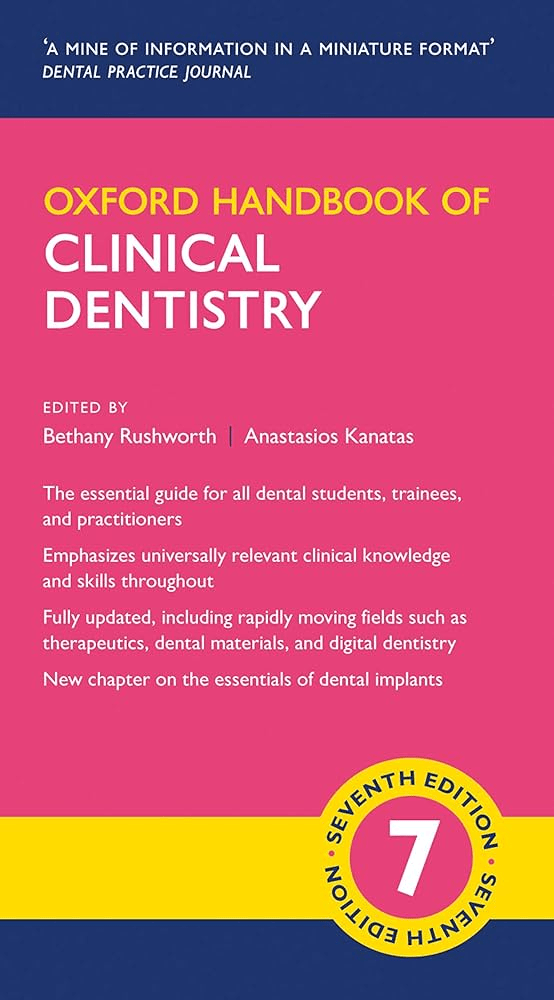
2. O'dell Handbook of Clinical Dentistry
Priority: High
Odell's Clinical Problem Solving in Dentistry is an essential resource for developing a structured approach to dental care planning, diagnosis and case management. Its step-by-step, problem-solving approach can help candidates strengthen the clinical reasoning skills needed to work through ADC-style scenarios. Use it to revise:
- Diagnosis
- Treatment planning
- Restorative dentistry
- Periodontics
- Oral surgery
- Paediatric dentistry
- Prosthodontics
- Oral medicine
- Emergencies
It works particularly well during the consolidation phase of preparation when you need to connect different subjects rather than study them independently.
3. Cohen's Pathways of the Pulp
Priority: High for Endodontics
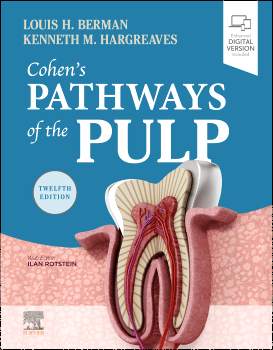
Endodontics can generate clinically complex questions, making a strong reference important. Cohen's Pathways of the Pulp is useful for:
- Pulpal diagnosis
- Periapical diagnosis
- Endodontic treatment
- Pulp therapy
- Instrumentation
- Irrigation
- Obturation
- Endodontic complications
The goal should not be to memorise every technical detail. Concentrate on diagnosis, treatment selection and clinical reasoning.
4. Endodontics: Principles and Practice
Priority: Supplementary
Torabinejad, Fouad and Walton's Endodontics: Principles and Practice can complement Cohen's when you need another explanation of endodontic diagnosis and management. You generally do not need to study two large endodontic textbooks cover to cover. Choose one as your main reference and use the second when a topic remains unclear.
5. Sturdevant's Art & Science of Operative Dentistry
Priority: Very High
Operative and restorative dentistry form an important part of general dental knowledge. Use Sturdevant's to strengthen your understanding of:
- Caries management
- Adhesive dentistry
- Direct restorations
- Indirect restorations
- Cavity preparation
- Restorative materials
- Clinical decision-making
- Tooth preservation
Pair textbook reading with clinical scenarios so that you learn to apply the principles rather than simply recall them.
6. Preservation and Restoration of Tooth Structure
Priority: High
Mount and Hume's Preservation and Restoration of Tooth Structure is particularly useful for understanding minimally invasive and conservative approaches to restorative dentistry. Pay attention to:
- Caries progression
- Risk assessment
- Tooth structure preservation
- Restorative decision-making
- Prevention versus operative intervention
This type of clinical reasoning fits well with the scenario-based nature of the ADC examination.
7. Davidson's Principles and Practice of Medicine
Priority: Moderate
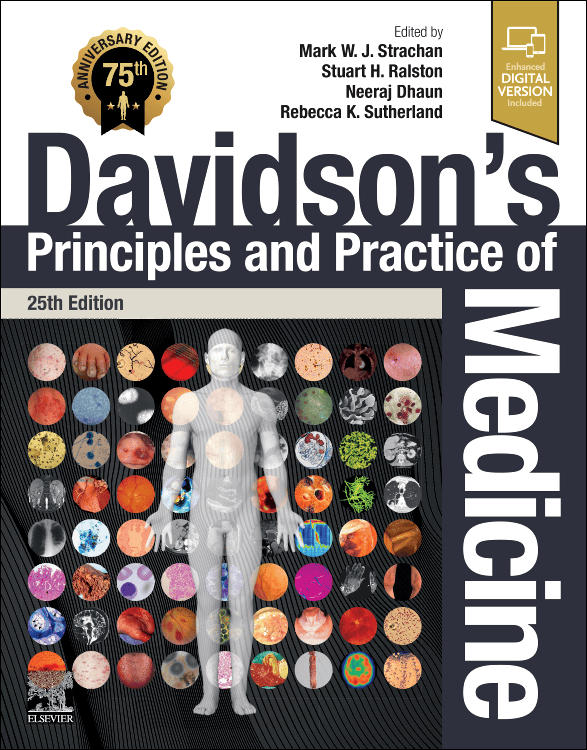
The ADC examination is not limited to isolated dental conditions. Dentists must understand how systemic disease, medications and medical history affect dental treatment. Davidson's is useful for revising:
- Cardiovascular disease
- Diabetes
- Respiratory disease
- Bleeding disorders
- Infectious diseases
- Neurological conditions
- Renal and hepatic disease
- Common medications and their clinical implications
You do not need to study the entire medical textbook. Prioritise conditions that influence dental diagnosis, prescribing, treatment planning and patient safety.
8. Carranza's Clinical Periodontology
Priority: High
For periodontics, Carranza's remains a valuable reference. Focus on:
- Periodontal diagnosis
- Risk factors
- Periodontal examination
- Disease classification
- Non-surgical periodontal treatment
- Surgical treatment principles
- Maintenance
- Periodontal-systemic relationships
Your preparation should emphasise diagnosis and management decisions, rather than memorising lengthy descriptions.
9. Cawson's Essentials of Oral Pathology and Oral Medicine
Priority: High
This resource is useful for strengthening recognition and clinical reasoning around oral lesions and systemic conditions presenting in the mouth. Focus on:
- Oral ulcers
- Vesiculobullous conditions
- Pigmented lesions
- White and red lesions
- Potentially malignant disorders
- Oral cancer
- Salivary gland disorders
- Common oral infections
Clinical photographs and case-based learning can make this subject much easier to retain.
10. Handbook of Pediatric Dentistry
Priority: High
Paediatric dentistry should not be treated as a minor topic during ADC preparation. Focus on:
- Caries in children
- Prevention
- Fluoride
- Behaviour management
- Trauma
- Developing dentition
- Pulp therapy
- Space management
- Paediatric treatment planning
The examination can require you to select the most appropriate treatment for a child based on age, clinical findings and risk factors.
11. Contemporary Orthodontics
Priority: Moderate
Use an orthodontic reference to revise the principles needed for general dental practice. Prioritise:
- Growth and development
- Malocclusion
- Mixed dentition
- Space management
- Orthodontic assessment
- Basic treatment principles
- Referral considerations
You do not need to prepare as though you are sitting a specialist orthodontics examination.
12. Fixed and Removable Prosthodontics Resources
Priority: Moderate
Shillingburg's Fundamentals of Fixed Prosthodontics is useful for:
- Crown preparation
- Bridges
- Occlusion
- Impression principles
- Cementation
- Treatment planning
McCracken's Removable Partial Prosthodontics
Use McCracken's for:
- Partial denture design
- Components
- Support
- Retention
- Stability
- Treatment planning
Prosthodontic Treatment for Edentulous Patients
Zarb and colleagues can help with complete denture and implant-supported prosthodontic concepts. You do not need to read all three books in detail. Select the resource that best fills your knowledge gaps.
Australian Guidelines You Should Not Ignore
Textbooks alone are not enough for ADC preparation. Australian guidelines and professional standards help you understand how clinical decisions are approached within the Australian healthcare system. Prioritise resources covering:
Infection Prevention and Control
Review current Australian Dental Association infection-control guidance and relevant Australian infection-prevention standards. Focus on:
- Standard precautions
- Hand hygiene
- Personal protective equipment
- Instrument reprocessing
- Sterilisation
- Disinfection
- Sharps safety
- Cross-infection prevention
Always check the latest version of Australian guidelines rather than relying on an old textbook chapter.
Radiation Protection
Review the applicable Australian radiation protection requirements for dental practice, including guidance relevant to dental radiography. Focus on:
- Patient protection
- Operator protection
- Radiation safety
- Justification
- Optimisation
- Appropriate imaging selection
Professionalism and Ethics
The ADC Written Examination assesses professionalism and social responsibility. Therefore, candidates should also understand the relevant professional standards, policies and codes applying to Australian dental practitioners. Pay particular attention to:
- Informed consent
- Confidentiality
- Professional boundaries
- Patient autonomy
- Record keeping
- Communication
- Cultural considerations
- Professional conduct
- Mandatory reporting where applicable
- Advertising and social media responsibilities
The examination is designed around the competencies expected of a newly qualified Australian dentist, so professional decision-making matters alongside clinical knowledge.
What About Dental Journals?
You do not need to read dental journals from cover to cover. However, reputable journals can help you stay familiar with evidence-based practice and current developments. Useful journals include:
- Australian Dental Journal
- British Dental Journal
- International Dental Journal
- Journal of the American Dental Association
- Journal of Dentistry
- Operative Dentistry
Use journals selectively. Focus on systematic reviews, clinical guidelines, consensus statements and major updates relevant to the ADC blueprint.
How Many Books Should You Actually Read?
This is where many ADC candidates make a mistake. Buying 20–30 books does not automatically improve your preparation. Instead, create three resource levels.
Level 1: Core Resources
Start with:
- Therapeutic Guidelines
- O'Dell Handbook of Clinical Dentistry
- Sturdevant's Art & Science of Operative Dentistry
- Davidson's Principles and Practice of Medicine
- Cohen's Pathways of the Pulp
- Carranza's Clinical Periodontology
- Cawson's Essentials of Oral Pathology and Oral Medicine
Level 2: Subject-Specific References
Use additional resources for:
- Prosthodontics
- Paediatric dentistry
- Orthodontics
- Oral surgery
- Radiology
- Dental materials
- Trauma
- Special needs dentistry
Level 3: Guidelines and Question Practice
This level is critical. Use:
- Australian clinical guidelines
- Professional standards
- ADC practice material
- Scenario-based MCQs
- Full-length mock examinations
- Error logs
- Timed practice
The third level helps convert knowledge into the clinical reasoning skills the ADC Written Examination is designed to assess.
How to Use ADC Books Effectively
Do not study every book in the same way. Use this four-step approach:
Step 1: Start with the ADC Blueprint
Understand the four competency clusters and the disciplines assessed within them.
Step 2: Study the Concept
Use your main textbook to understand the underlying clinical principle.
Step 3: Apply It to Australian Practice
Check relevant Australian guidelines and professional standards.
Step 4: Solve a Clinical Scenario
Test whether you can apply the information to a patient rather than simply recall it. This approach is more efficient than repeatedly highlighting textbook paragraphs.
Common Mistakes When Choosing ADC Books
Mistake 1: Treating an online book list as an official ADC syllabus
The ADC does not prescribe one mandatory reading list. Its handbook explicitly says that the examination draws from a broad range of resources.
Mistake 2: Using outdated guidelines
Australian clinical recommendations can change. Always verify that the guideline you are studying remains current.
Mistake 3: Reading everything cover to cover
The ADC examination tests application and clinical reasoning. Reading hundreds of pages without solving cases is inefficient.
Mistake 4: Ignoring non-clinical domains
Professionalism, health promotion and patient-centred decision-making are part of the examination blueprint.
Mistake 5: Preparing only from overseas practice standards
A treatment approach that was common in your home country may not always represent current Australian practice. Your preparation should therefore consistently connect dental knowledge with Australian standards, guidelines and professional expectations.
Is an ADC Preparation Course Necessary?
You can prepare independently, but the challenge is not simply finding textbooks. The bigger challenge is deciding what to study, how deeply to study it and how to apply it to ADC-style scenarios.The ADC itself does not endorse proprietary or informal preparation courses.
If you choose a preparation provider, evaluate it based on the quality of its teaching, clinical reasoning practice, mock examinations, feedback and alignment with the current ADC blueprint rather than relying only on claims of success rates.
For candidates who prefer structured preparation, Academically's ADC Exam Preparation Course can complement independent study by bringing subject teaching, scenario-based practice and exam-focused preparation into one system. The best part is, you get mentorship from ADC-qualified dentists who have an active registration with AHPRA and are settled, practicing dentistry in Australia.
To Conclude with...
The best ADC exam preparation books are not necessarily the books you read the most. They are the resources that help you understand why a particular clinical decision is appropriate in the Australian dental setting.
Start with a small core library, add Australian guidelines, and spend substantial time solving scenario-based questions. Most importantly, keep checking the ADC's latest handbook and examination information because the blueprint and assessment requirements can change.
For 2026, preparation should reflect the current 280-question, two-day scenario-based examination, its four competency clusters and its emphasis on clinical judgement.
If your preparation strategy still revolves around memorising isolated facts from a large stack of textbooks, it is time to change it. The ADC is testing how you think and practise, not simply how much you can remember.