
Whenever there is a discussion regarding the Australian Intern Pharmacist Oral Examination, the conversation almost always revolves around the intimidating syllabus, the tick-box competencies, and long lists of potential topics.
Everyone talks about the important topics. People send you lists of head lice, acne, sore throat, reflux, urinary symptoms and more.
Trust me when I say this, I know how frustrating it can be, when nobody explains what a good sample case should sound like when you are speaking to a patient.
You cannot memorise one “perfect” paragraph for every condition. The examiner can change the age, duration, medicines, pregnancy status or red flags, and that script can suddenly fall apart.
In this blog, I am going to help you understand the pattern of oral exams via 10 case scenarios. Happy learning!
The Primary Healthcare Oral Exam Framework
The Pharmacy Board of Australia oral examination uses three parts.
Part A is Primary Health Care and is conducted as a role play without references. It assesses history-taking, management, referral, health advice and communication;
Part B covers Legal and Ethical Practice; and
Part C covers Problem Solving and Communication, with references permitted under the exam rules.
Before You Practise: Use This Oral-Exam Flow
Your first job is understanding the patient.
I have devised a mnemonic for you to remember the stages.
It's Our Elephants Steal All Mangoes Causing Regular Chaos.
The ridiculous mental image of elephants stealing mangoes will help you remember this.
| Stage | What you should do |
| Open | Introduce yourself and let the patient explain |
| Explore | Ask focused symptom and context questions |
| Screen | Check medicines, allergies and relevant risk factors |
| Assess | Identify the likely condition or problem |
| Manage | Suggest appropriate treatment or self-care |
| Counsel | Explain use, expectations and precautions |
| Refer | State when medical or urgent review is needed |
| Close | Check understanding and invite questions |
Remember: history before therapy, safety before convenience, explanation before assumption.
10 Intern Pharmacist Oral Exam Case Scenarios
The scenarios I have provided below mirror what you will encounter in the real exam:
- Direct Mock Exam Scenarios: Case 1 is a standard scenario from official intern preparation frameworks such as the Guild Intern Training Program mock oral exams. Case 5 is one of the most frequently tested paediatric triage and device-technique stations.
- High-Yield Clinical Categories: The Pharmacy Board and Australian Pharmacy Council (APC) routinely select cases from core primary care categories:
- Dermatology & Infestations: Head lice (pediculosis capitis), tinea pedis, and minor burns.
- Ophthalmology: Blepharitis vs. bacterial conjunctivitis differential diagnosis.
- Respiratory: Uncontrolled asthma screening and spacer demonstration.
- Gastrointestinal: GERD/heartburn acid suppression trials, acute constipation, and aphthous mouth ulcers.
- Women's & Urinary Health: Uncomplicated lower UTIs and primary dysmenorrhea management.
Why Examiners Use These Specific Types of Cases
- Testing Safety over Memorization: In Part A, you cannot open reference books like the Australian Medicines Handbook (AMH). Examiners choose common minor ailments to see if you can quickly spot "red flags" requiring medical referral versus self-limiting conditions suitable for pharmacy supply.
- Identifying Critical Fail Points: Scenarios are designed with safety traps. For example, supplying hydrocortisone for a fungal foot infection (tinea incognito), missing symptoms of pyelonephritis in a UTI, or supplying unlimited salbutamol without screening for nocturnal asthma symptoms are classic scenarios where candidates risk safety penalties if they fail to triage properly.
- Evaluating Communication Skills: Examiners assess your ability to explain non-pharmacological measures clearly in plain language such as demonstrating spacer technique, explaining 20-minute cool water burn first aid, or detailing eyelid hygiene routines.
| Practising the following role-plays out loud using these ten structured frameworks will give you a reliable mental template for handling almost any primary healthcare scenario presented on exam day. |
You can practice interactive case scenarios like these with real-time feedback. Join Academically's Australian Pharmacy Intern Written & Oral Exam Preparation Course to hone your clinical reasoning alongside experienced pharmacy educators.
Now, without much further ado, let's get into it!
Case Scenario 1: Pediculosis Capitis (Head Lice) Infestation
Scenario Presentation
A mother visits your pharmacy counter visibly distressed after finding small insects on her 8-year-old daughter's scalp following a primary school outbreak notification. She demands the strongest chemical spray available.
How to Gather Patient History
- Have you directly spotted live, crawling lice on her scalp, or only white specks attached to hair shafts?
- Has your daughter scratched her scalp to the point of causing open sores or bleeding?
- What treatments have you tried previously, and have you checked all family members at home?
- Is anyone needing treatment under six months of age, or pregnant?
Clinical Reasoning & Product Selection
Treatment requires confirmation of live, moving lice.
Finding empty egg cases (nits) glued far from the scalp indicates past exposure and does not justify insecticide use.
Physical-action pediculicides containing dimeticone 4% are preferred over traditional neurotoxic chemicals because dimeticone suffocates lice physically, eliminating chemical resistance.
| Head Lice Eradication Protocol Step 1: Apply Dimeticone 4% lotion to dry hair, saturating scalp to hair tips. Step 2: Leave lotion on hair for 8 hours (or overnight). Step 3: Wash out and comb thoroughly with a fine-toothed nit comb. Step 4: REPEAT exact treatment 7 days later to kill newly hatched nymphs. |
Counselling & Lifestyle Advice
"Do not panic! Instead of harsh chemical pesticides, I recommend this dimeticone lotion. It works physically by coating and suffocating the lice so they cannot build resistance. Saturate her dry hair completely, leave it on for eight hours, wash it out, and comb through with a fine-toothed metal comb. You must repeat this exact process seven days later to catch any newly hatched eggs before they mature."
Red Flags Requiring Medical Referral
Refer to a doctor if the child is under six months old, displays infected scalp lesions with pus, or fails to clear the infestation after two correctly executed treatment cycles.

Case Scenario 2: Gastroesophageal Reflux Disease (GERD)
Scenario Presentation
A 52-year-old male manager requests an over-the-counter antacid for a frequent burning feeling behind his chest bone after eating heavy meals, occurring 3 to 4 times weekly.
How to Gather Patient History
- How many days per week do you experience this heartburn sensation?
- Have you had any difficulty or pain when swallowing food?
- Have you noticed unexplained weight loss, vomiting, or dark black bowel movements?
- Do you take painkiller medications like ibuprofen or aspirin regularly?
Clinical Reasoning & Product Selection
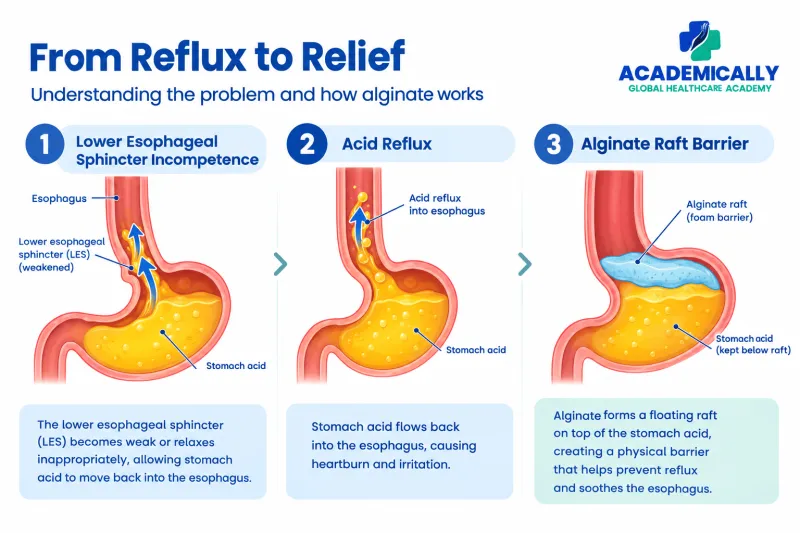
Frequent heartburn occurring two or more days per week requires proton pump inhibitor (PPI) acid suppression rather than temporary antacids. Recommend a 14-day over-the-counter trial of esomeprazole 20mg daily (S3 Schedule) to suppress gastric acid production and allow esophageal healing.
Counselling & Lifestyle Advice
"Because your heartburn happens multiple times a week, simple antacids only give temporary relief. Take one esomeprazole 20mg tablet daily 30 minutes before breakfast for 14 days. This turns down acid production to heal your food pipe. Avoid heavy meals within three hours of bedtime, elevate the head of your bed slightly, and cut back on trigger foods like greasy dishes, caffeine, and alcohol."
Red Flags Requiring Medical Referral
Urgent referral to a doctor for endoscopy screening is required if the patient reports swallowing difficulties (dysphagia), painful swallowing, weight loss, black tarry stools, or new symptoms over age 55.
Case Scenario 3: Acute Functional Constipation
Scenario Presentation
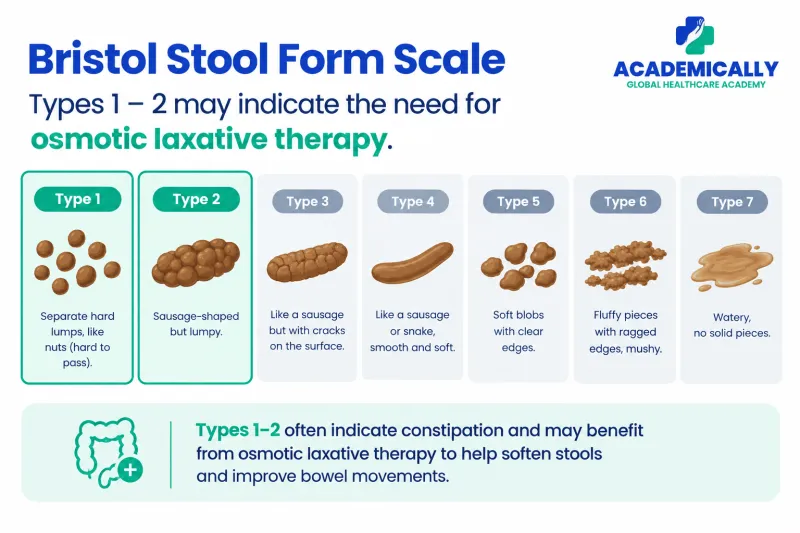
A 65-year-old woman requests strong laxative chocolate tablets. She states her bowels have not moved for four days following a long flight, leaving her bloated and straining to pass hard pellets.
How to Gather Patient History
- How many days have passed since your last bowel movement, and what do your stools normally look like?
- Are you experiencing severe abdominal pain, nausea, vomiting, or an inability to pass gas?
- Have you noticed any blood in your stool or sudden unexplained changes in bowel habits?
- What medicines do you take daily, and how much water have you been drinking?
Clinical Reasoning & Product Selection
Acute constipation triggered by travel and immobility benefits from osmotic rehydration using macrogol 3350 (polyethylene glycol) rather than harsh stimulant laxatives. Osmotic laxatives gently draw water into the bowel, softening hard stools without causing severe abdominal cramps.
Counselling & Lifestyle Advice
"Rather than harsh stimulant laxatives that cause stomach cramps, I recommend this macrogol osmotic laxative. Dissolve one sachet in water once or twice daily. It gently draws water into your bowel to soften hard stools so they pass comfortably. Drink plenty of water throughout the day, eat fiber-rich foods like fruits and oats, and go for a daily walk to stimulate your natural digestion."
Red Flags Requiring Medical Referral
Refer to a doctor immediately if the patient reports severe abdominal pain, persistent vomiting, bowel obstruction signs, rectal bleeding, or persistent bowel habit changes lasting over two weeks.
Tip: Want to evaluate your clinical history-taking under timed pressure? You can test your triage skills across real exam scenarios with Academically's scored AI-based mock tests.
Case Scenario 4: Thermal Skin Burn on Lower Leg
Scenario Presentation
A 24-year-old café worker comes to your pharmacy counter holding a painful, blistered wound on her lower right leg after spilling hot milk twenty minutes ago. She asks you for a fast pain-relieving ointment so she can return to her shift immediately.
How to Gather Patient History
You need to ask targeted questions calmly and quickly:
- How many minutes ago did the scald occur, and have you held it under cool running tap water yet?
- What does the wound look like- is it red, blistered, or pale and numb?
- How large is the burn relative to the size of your hand?
- Do you have any medical conditions like diabetes, and is your tetanus vaccination up to date?
Clinical Reasoning & Product Selection
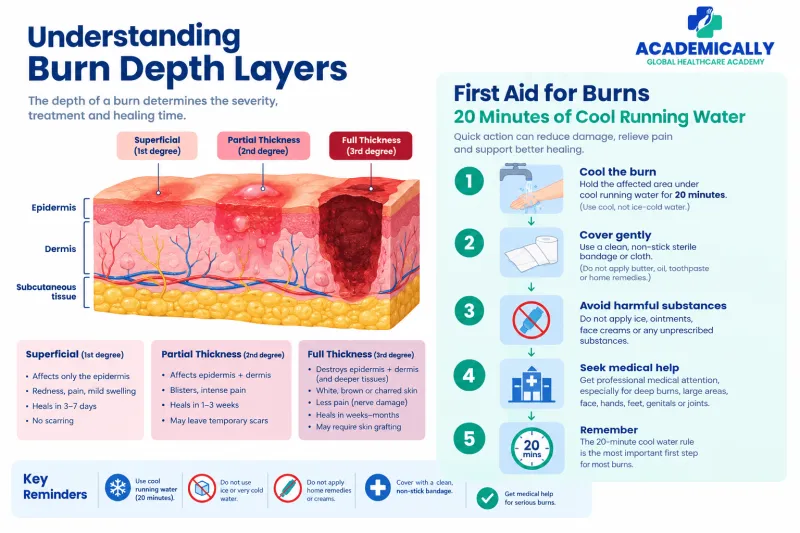
Thermal scalding creates partial-thickness dermal damage. Immediate first aid requires running cool tap water over the burn for twenty minutes to stop tissue thermal progression. Never apply ice, butter, or greasy ointments. Recommend a sterile, non-adherent silicone or hydrogel dressing to protect the open blister bed, paired with oral paracetamol or ibuprofen for systemic pain relief.
Counselling & Lifestyle Advice
"First, let's step over to our treatment room and put your leg under cool running tap water for twenty minutes right now. We want to draw out the heat and protect your skin. I will dress this with a sterile non-stick silicone dressing. Please do not pop any blisters, as intact skin prevents bacterial infection. Keep the dressing clean and dry, elevate your leg when resting, and monitor for signs of infection like spreading redness or heat.”
Red Flags Requiring Medical Referral
Refer the patient to an emergency department or general practitioner immediately if the burn covers more than 3% total body surface area, involves the face, hands, or joints, appears deep and leathery, or shows signs of wound sepsis.
Case Scenario 5: Paediatric Asthma Reliever Overuse
Scenario Presentation
A worried mother visits your pharmacy requesting two canisters of over-the-counter Salbutamol 100mcg inhalers for her 7-year-old son. She mentions that his wheezing has worsened over the past week and he wakes up coughing during the night.
How to Gather Patient History
- How many days per week is your son using his blue reliever inhaler?
- How many nights this week has he woken up with coughing or shortness of breath?
- Is he using a daily preventer inhaler, and do you have a written Asthma Action Plan from your doctor?
- Does he use a spacer device when taking his inhalers?
Clinical Reasoning & Product Selection
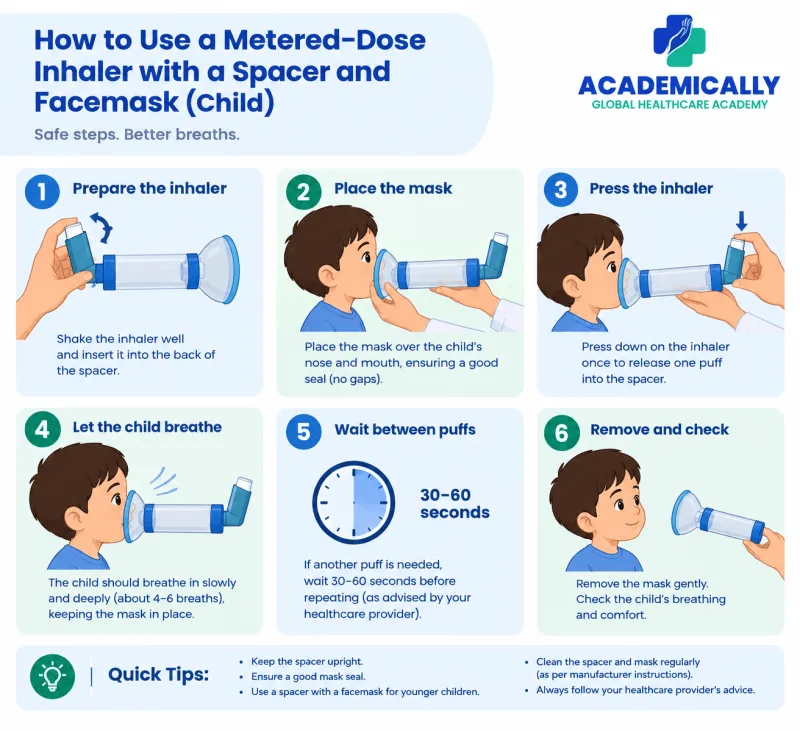
Using salbutamol more than twice a week for symptom relief indicates uncontrolled asthma, while nocturnal waking signals a high risk for a severe exacerbation. Supplying reliever inhalers without arranging a medical review places the child in danger. You must supply one reliever inhaler for immediate safety, pair it with a pediatric spacer, and arrange an urgent same-day medical review.
Counselling & Lifestyle Advice
"I can supply one salbutamol inhaler today so your son remains safe, but his night waking tells us his airways are inflamed and uncontrolled. He urgently needs his doctor to review his treatment and start a daily preventer. Always administer salbutamol using this spacer device: shake the inhaler, insert it into the spacer, fire one puff, and let him take four calm breaths. This delivers the medicine deep into his lungs."
Red Flags Requiring Medical Referral
Call emergency services immediately if the child exhibits severe breathlessness, chest wall retractions, inability to speak full sentences, or blue-tinted lips.
Get Access to Complete Case Banks & Mock Oral Interviews
Don't leave your preparation to chance. Academically provides fully scored mock exams and targeted role-play practice designed specifically for Australian intern pharmacists.
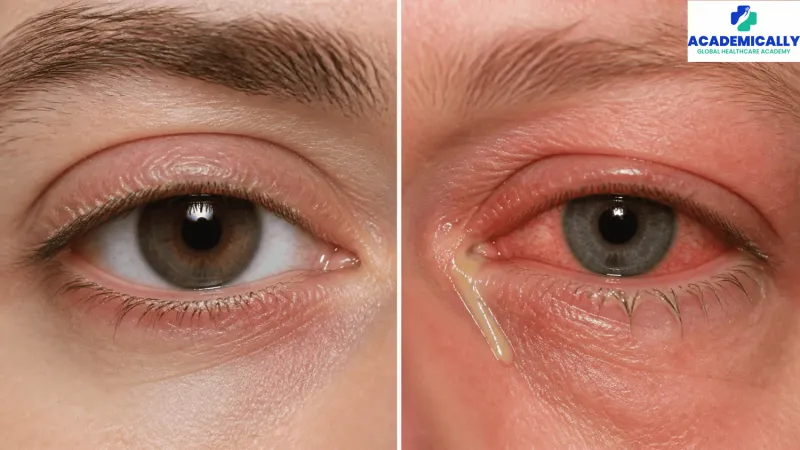
Case Scenario 6: Blepharitis versus Bacterial Conjunctivitis
Scenario Presentation
A 48-year-old male asks for over-the-counter chloramphenicol eye drops. He explains that both his eyes have felt gritty, itchy, and crusty along the eyelid edges every morning for the past three weeks.
How to Gather Patient History
- Is the redness and irritation located along your eyelid edges or across the white part of your eyeball?
- Is there thick, sticky yellow discharge gluing your eyes shut, or flaky dandruff-like crusts on your lashes?
- Have you noticed any changes in your vision, deep eye pain, or sensitivity to light?
- Do you wear contact lenses or suffer from dry skin conditions like rosacea?
Clinical Reasoning & Product Selection
Flaky, greasy crusting localized to eyelid margins over several weeks defines anterior blepharitis, not acute bacterial conjunctivitis. Supplying topical antibiotics like chloramphenicol for uncomplicated blepharitis is clinically inappropriate and ineffective. The correct management centres on eyelid hygiene, warm compresses, and lubricating tear drops.
Counselling & Lifestyle Advice
"Chloramphenicol antibiotic drops won't solve this issue because your symptoms are caused by blepharitis—an inflammation of the tiny oil glands along your eyelash roots. Place a warm, damp facecloth over your closed eyes for ten minutes twice daily to loosen trapped oils. Then, use dedicated eyelid cleansing wipes to gently scrub away debris along the lash line. Regular tear drops will soothe any remaining grittiness."
Red Flags Requiring Medical Referral
Refer to an optometrist or doctor immediately if the patient reports severe globe pain, visual impairment, photophobia, or wears contact lenses.
Case Scenario 7: Interdigital Tinea Pedis (Athlete's Foot)
Scenario Presentation
A 30-year-old runner requests hydrocortisone cream for an intensely itchy, peeling, white rash between his fourth and fifth toes that has persisted for two weeks.
How to Gather Patient History
- Is the skin between your toes soft, white, peeling, or cracked?
- Does the rash extend to the soles of your feet or involve your toenails?
- Do you have diabetes, poor circulation, or immune system conditions?
- Have you applied any steroid creams to the area recently?
Clinical Reasoning & Product Selection
Interdigital tinea pedis is a superficial fungal infection. Recommending a plain corticosteroid like hydrocortisone is dangerous because steroids suppress local immunity, allowing the fungus to spread rapidly (tinea incognito). Select a fungicidal topical allylamine cream such as terbinafine 1% (S2 Schedule).
Counselling & Lifestyle Advice
"Please avoid using hydrocortisone cream here; steroids actually feed the fungal infection and make it spread! Apply this terbinafine 1% cream once daily to clean, thoroughly dried skin between your toes for one week. Dry between your toes carefully after showering using a dedicated towel, wear breathable cotton socks, change them daily, and alternate your running shoes so they dry completely."
Red Flags Requiring Medical Referral
Refer to a GP or podiatrist if the patient has diabetes, peripheral vascular disease, bacterial skin infection (cellulitis), or fungal involvement extending into toenails.

Case Scenario 8: Uncomplicated Lower Urinary Tract Infection
Scenario Presentation
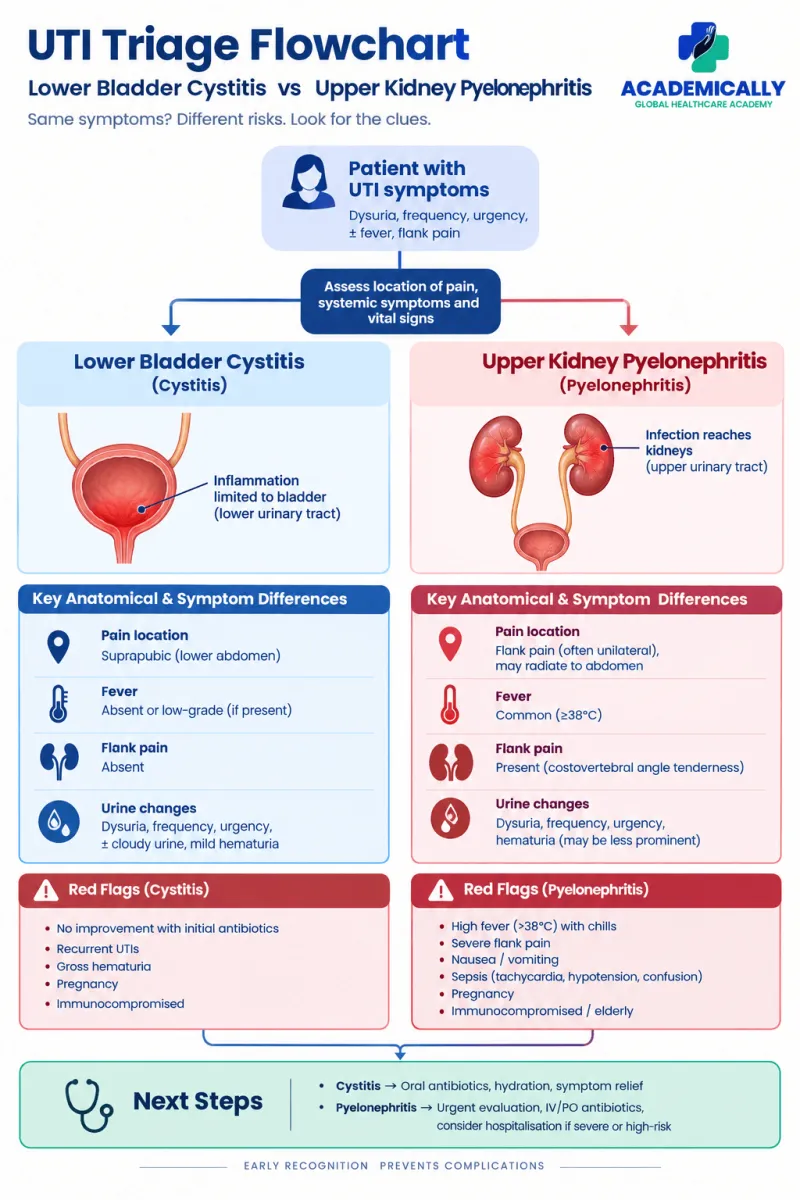
A 26-year-old non-pregnant woman presents seeking urgent relief for a burning sensation when passing urine, alongside increased urinary frequency that began yesterday.
How to Gather Patient History
- Are you experiencing burning, pain, frequency, or lower belly discomfort?
- Do you have any fever, chills, nausea, vomiting, or lower back/flank pain?
- Is there any chance you are pregnant, or have you noticed blood in your urine?
- Have you had more than two urinary infections in the past six months?
Clinical Reasoning & Product Selection
Uncomplicated lower urinary tract infections (cystitis) in healthy adult women present with localized bladder mucosal inflammation. Screening for upper urinary tract infection (pyelonephritis) is a vital safety responsibility. Offer systemic urinary alkalinizers (sodium citrotartrate) for immediate dysuria relief, paired with protocol-based pharmacist antibiotic supply or GP referral.
Counselling & Lifestyle Advice
"These sodium citrotartrate sachets will neutralize the acid in your urine, giving you fast relief from that stinging burning feeling. Dissolve one sachet in water up to four times daily. Drink plenty of water throughout the day to help flush your bladder. If your symptoms do not improve within 48 hours, or if you develop a fever or back pain, you must see your doctor immediately."
Red Flags Requiring Medical Referral
Urgent GP referral is required for male patients, pregnant women, children, patients with fever or flank pain, or those with visible blood in their urine.
Case Scenario 9: Primary Dysmenorrhea Management
Scenario Context
A 19-year-old female student requests strong painkillers for severe lower abdominal cramping and back pain that starts on the first day of her period every month.
How to Gather Patient History
- When does the pain start relative to your period bleeding, and how long does it last?
- Did this pain start when you first began having periods as a teenager, or did it develop recently?
- Do you experience pain outside of your monthly period, or severe pain during intercourse?
- Do you suffer from asthma, stomach ulcers, or severe bleeding issues?
Clinical Reasoning & Product Selection
Primary dysmenorrhea is driven by elevated endometrial prostaglandin production, causing uterine muscle spasms. Non-steroidal anti-inflammatory drugs (NSAIDs) like naproxen or mefenamic acid are first-line agents because they directly inhibit cyclooxygenase (COX) enzymes, stopping prostaglandin synthesis at the source.
Counselling & Lifestyle Advice
"Prostaglandin chemicals cause your stomach cramps during your period. Take two naproxen 275mg tablets with food at the very first sign of bleeding or cramping, then one tablet every six to eight hours as needed. Starting the medication right as your period begins stops pain chemicals before they build up. Applying a continuous heat patch to your lower stomach works wonders alongside your medication."
Red Flags Requiring Medical Referral
Refer to a doctor if the patient exhibits secondary dysmenorrhea features (new-onset pain years after menarche, non-cyclical pelvic pain, heavy bleeding flooding through pads), or non-response to NSAIDs.

Case Scenario 10: Recurrent Aphthous Stomatitis (Mouth Ulcer)
Scenario Presentation
A 32-year-old man presents with a painful, small ulcer inside his lower lip that developed two days ago, making it painful to eat or brush his teeth.
How to Gather Patient History
- How many ulcers are present, and how large are they in millimeters?
- How many days has this ulcer been present, and do you get them often?
- Have you experienced fever, swollen glands, joint pain, or stomach issues?
- Did you bite your lip, eat sharp food, or start using a new toothpaste recently?
Clinical Reasoning & Product Selection
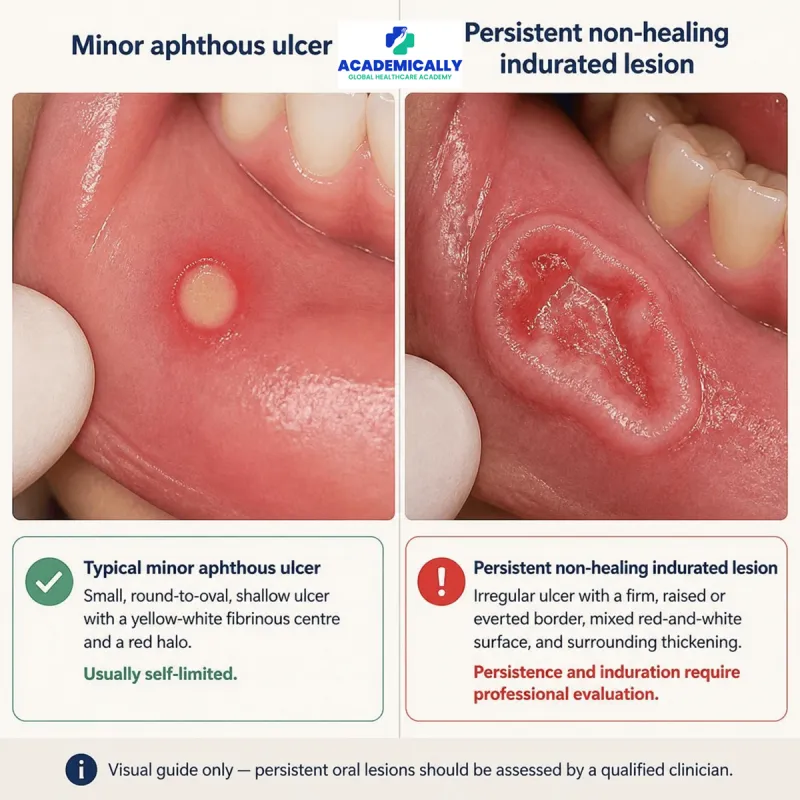
Minor aphthous ulcers are small (<10mm), shallow, self-limiting lesions with a yellow-grey base and red halo. Recommend triamcinolone acetonide 0.1% dental paste (S3 Schedule) to reduce local inflammation and provide a protective barrier.
| Mouth Ulcer Clinical Triage Framework Step 1: Check Ulcer Diameter (<10mm = Minor Aphthae / >10mm = Major Aphthae) Step 2: Check Duration (<14 Days = Self-Limiting / >14 Days = RED FLAG) Step 3: Apply Triamcinolone 0.1% Paste after meals without rubbing. Step 4: Switch to Sodium Lauryl Sulfate (SLS)-free toothpaste. |
Counselling & Lifestyle Advice
"This triamcinolone paste will reduce inflammation and cover the ulcer so it heals quickly. Dab a small amount gently onto the ulcer after meals and at bedtime, do not rub it in, just let it form a smooth protective film. Avoid spicy, acidic, or sharp foods that sting, and switch to a toothpaste free from sodium lauryl sulfate, which can irritate sensitive mouth linings."
Red Flags Requiring Medical Referral
Refer to a dentist immediately if any ulcer persists for longer than 14 days (a major red flag for oral cancer screening), exceeds 10mm in size, or is accompanied by systemic fever.
The table below summarizes the ten primary healthcare case scenarios we mastered together, outlining the primary focus, first-line recommendation, and urgent referral points.
| Case Scenario Topic | Clinical Assessment Focus | First-Line OTC Recommendation | Critical Red-Flag Referral Trigger |
| Head Lice Infestation | Live louse confirmation, treatment timing | Dimeticone 4% lotion (Repeat in 7 days) | Treatment failure after 2 courses, open skin infection, age < 6 months |
| Heartburn / GERD | Reflux frequency, acid suppression trial | Esomeprazole 20mg daily (14-day trial) | Dysphagia, odynophagia, weight loss, new onset age > 55 |
| Acute Constipation | Bowel habit evaluation, laxative mechanism | Macrogol 3350 (Osmotic laxative) | Severe sudden pain, vomiting, obstruction, melena |
| Thermal Skin Burn | Burn depth, TBSA estimation, first aid | Cool running water (20 mins) + Silicone dressing | Burn > 3% TBSA, facial/joint involvement, full thickness |
| Childhood Asthma Flare | Reliever overuse, spacer technique, triage | Salbutamol 100mcg MDI + Spacer (Urgent GP) | Reliever use > 2 days/week, night waking, speech limit |
| Blepharitis vs. Conjunctivitis | Differential eye diagnosis, eyelid hygiene | Lid wipes + Warm compress + Lubricant drops | Severe eye pain, visual changes, photophobia, contact lens wearer |
| Interdigital Tinea Pedis | Fungal presentation, foot hygiene, steroid audit | Terbinafine 1% cream (S2) | Diabetes mellitus, peripheral vascular disease, cellulitis |
| Uncomplicated UTI | Symptom duration, pyelonephritis screening | Sodium Citrotartrate sachets | Fever, flank pain, pregnancy, male patient, hematuria |
| Primary Dysmenorrhea | Prostaglandin inhibition, pain timing | Naproxen 275mg or Mefenamic Acid 250mg | Secondary dysmenorrhea, non-cyclical pain, menorrhagia |
| Aphthous Mouth Ulcer | Stomatitis evaluation, SLS trigger screening | Triamcinolone 0.1% oral paste (S3) | Ulcers persisting > 14 days, size > 10mm, systemic fever |
Master instant triage, history-taking, and clinical reasoning with instant AI feedback on your performance.
The Pattern Behind All Ten Cases
The disease changed, but your thinking did not.
| What changes | What stays the same |
| Patient age | Focused history |
| Main complaint | Medicine and allergy check |
| Duration | Red-flag screening |
| Treatment options | Patient-specific reasoning |
| Lifestyle advice | Clear counselling |
| Referral threshold | Calm, professional communication |
Practise this way: pick one case, set a timer and speak aloud. Do not aim to sound rehearsed; aim to sound like a safe pharmacist.
Important Note:You might be might be searching for Overseas Pharmacist Readiness Assessment oral exam sample scenarios or pharmacy oral exam role play examples Australia while preparing. The intern oral examination sits in the registration pathway toward general registration. The Australian Health Practitioner Regulation Agency (AHPRA) supports registration. Australian Pharmacy Council information distinguishes the Intern Written exam from the oral examination delivered by the Pharmacy Board of Australia. |
How to Practise These Cases Tonight
My advice: stop collecting notes and start talking.
Take one scenario. Read only the opening line. Ask your questions aloud. Pause. Explain your reasoning. State your referral threshold. Check understanding.
Then change one variable: make the patient younger, pregnant, allergic to a medicine, symptomatic for longer, or someone whose previous treatment failed.
That builds recall.
Before finalising treatment, check current Australian references, product information and applicable state or territory requirements. These build reasoning; authoritative sources guide current clinical and legal decisions. When practising these case scenarios, keep your regulatory knowledge and clinical guidelines clear.
Speak with an expert academic mentor to build a personalized preparation strategy and master real-time role-play scenarios.
All the best! You've got this!